Owen Jenkins
Ynysfergi, Morfa Borth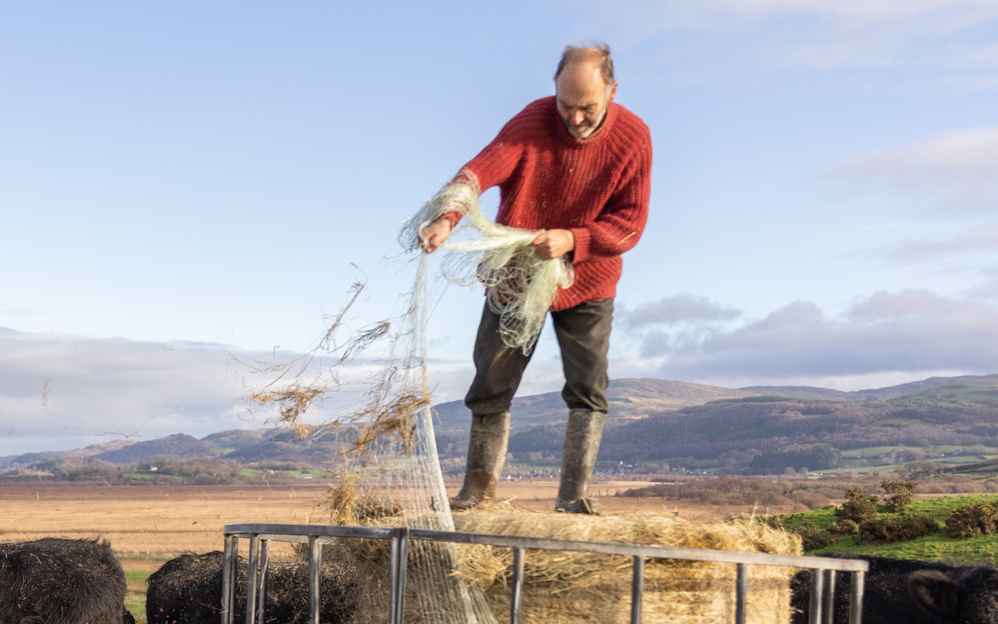
Where do you farm? Where does your land go to?
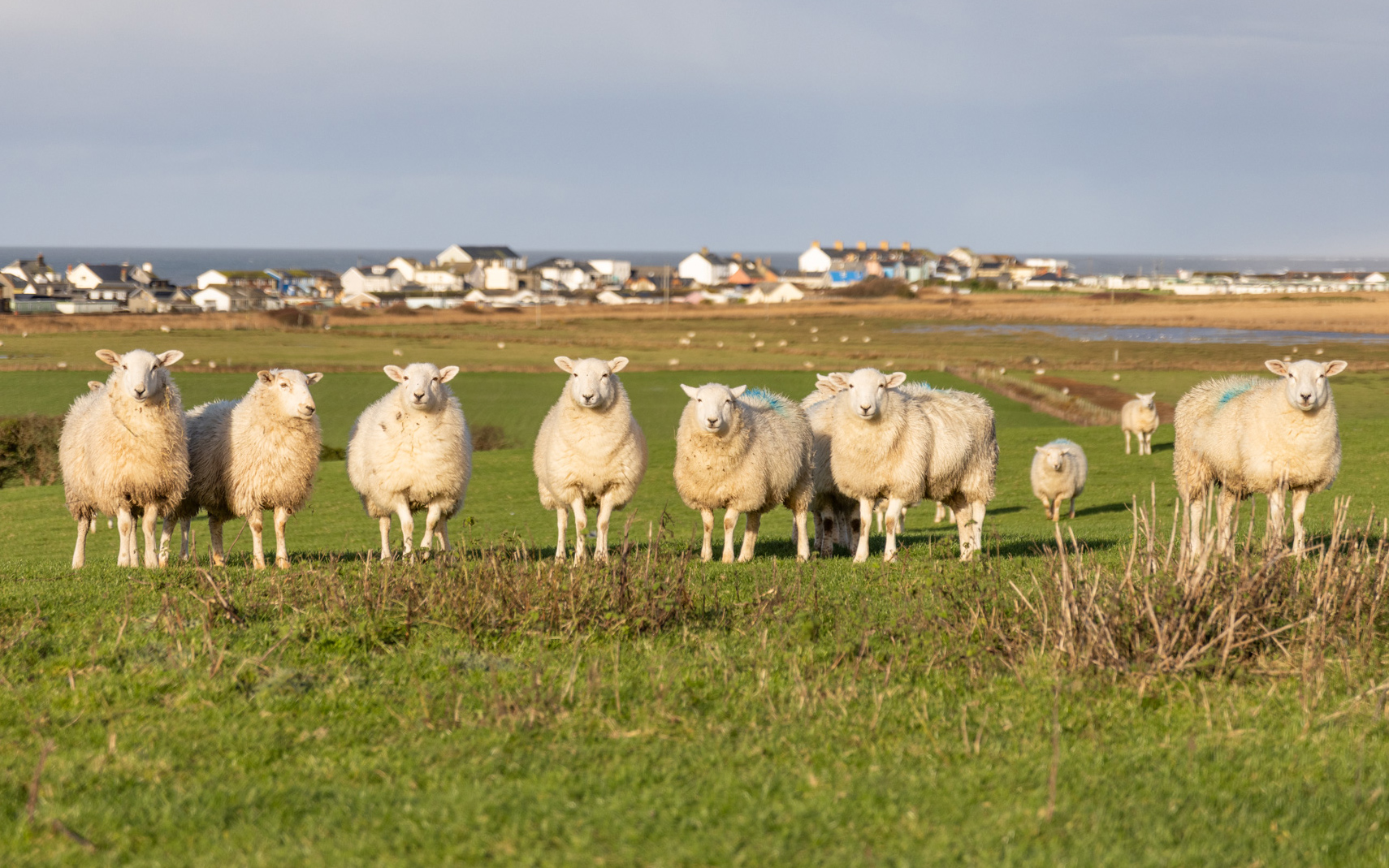
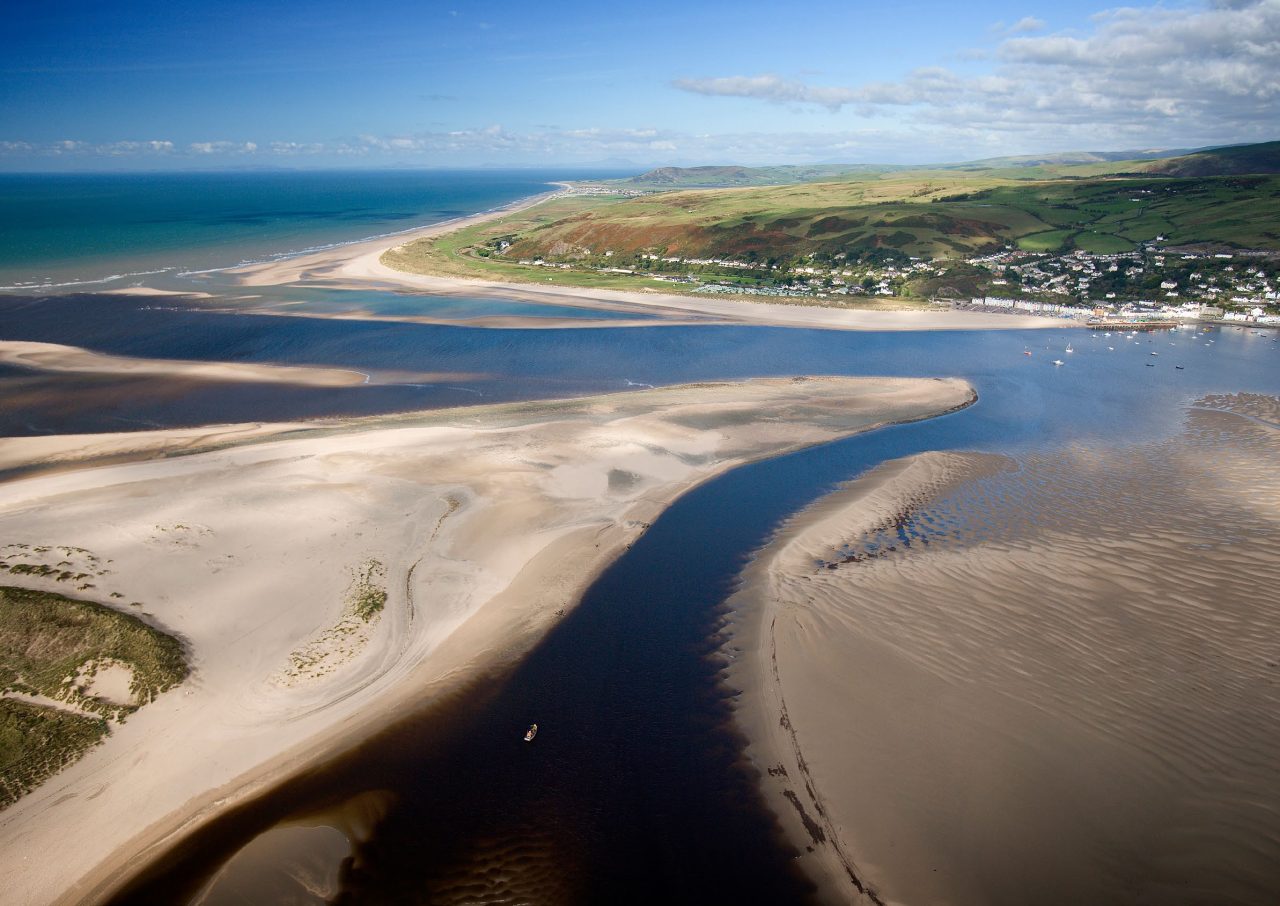
It’s a fairly small farm with a commons next door. My land goes from the railway crossing, along behind Borth, between the river Leri and the sea. I’m farming sheep, mostly, but some cows too.
What do you like about living here? Any favourite places?
Well, this is my home, isn’t it? This is where I was brought up. I like living here. My favourite place is Maelgwyn beach, because it’s so different to anywhere else, and so quiet. It’s the centre of Wales, where the north and the south meet.
Have you noticed any changed in the area over the years in terms of ?
I’m not ancient, but, yes, I do see a difference. We never get snow now; I’m sure the summers are wetter. When I was young, we made hay. I’ve not been able to make hay for years, apart from this summer. I’m sure the spring is shorter than it was when I was a child.
One of my problems at the moment is when the river is flooded, the water that comes down can’t go anywhere. This floods over the common and works its way round. And then, after two or three days, there’s a big lake in the grazing fields.
You’ve also got a lot of new diseases coming in from the midges – Blue Tongue, the Schmallenberg, and this and that. And because there is no frost in the winter, the midges are not kept under control.
Do you have ideas about how we can adapt? Especially because it sounds like there’s not much money in the government pot for big defences.
They would be able to, but they choose not to – there is a difference, right? One hundred and fifty years ago, all the defences were built by hand. We can’t do anything now because of all the procedures.
Does the sea water ever come up to your land?
No, not my land. Down on my brother’s land, it definitely seeps through the railway line. Only once I remember it coming right over really badly – 1971 it might have been. There was a huge storm, and we lost half of the sheep on my dad’s land. The railway was closed for six months, I think. The whole area was underwater for a while. But you look through history and that was happening 100 years ago. It’s nothing new.
How does the salt water affect your land?
It’s a bigger problem for my brother, not for me. The water comes through the railway line as it’s fairly porous. And then it goes into the ditches, and that’s where the cattle drink. That’s the biggest problem. If there is enough rain, the water is kept fresh in the ditch. The effect on the grass is from the salt in the air, when it gets blown in. But again, they say it can be like a fertiliser. But if seawater comes over and stays for a spell, it’s a different story.
Is there anything we can learn from the past that would help us prepare for the future?
The only thing that they did, and we should do, too, is keep the drainage ditches open. They went to the effort to create the ditches. And so, throughout the winter, the job of the workers was to keep the ditch open.
What worries you most about the future of this coastline?
It’s a shame that house prices are going to fall, and it’s more or less impossible to sell land in this area now. If the land next door came up for sale, I wouldn’t be interested in buying, because what’s the point? You’re allowed to build houses in Ynyslas. But if there’s a big flood, how are they going to get there? All the roads will be flooded.
Maybe it will only appeal to people who want to be here over the summer, rather than people willing to stay across the winter. That will be a shame, as it’s a nice community here. It’s active, and there is a togetherness. I go to the market every Thursday morning. It’s great, isn’t it? Everyone together having a cuppa and a chat.
If you go back to the beginning of Borth, it was a shingle bank – a piece of land with no ownership over it, and no one had rights over it. And so they could build houses without permission, more or less. Maybe there’s some of that spirit still alive here!
We never get snow now; I'm sure the summers are wetter. When I was young, we made hay. I've not been able to make hay for years, apart from this summer.