About
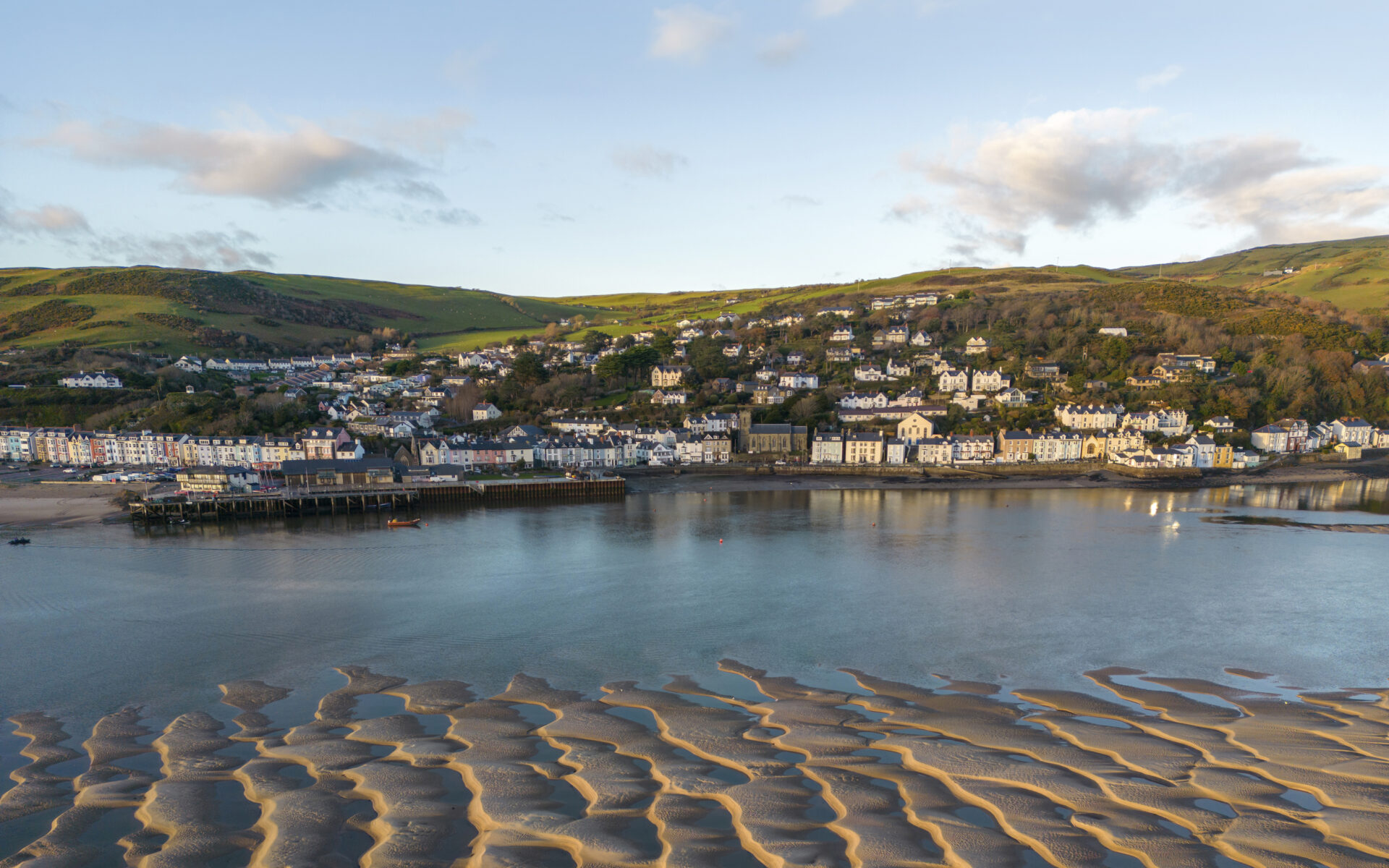
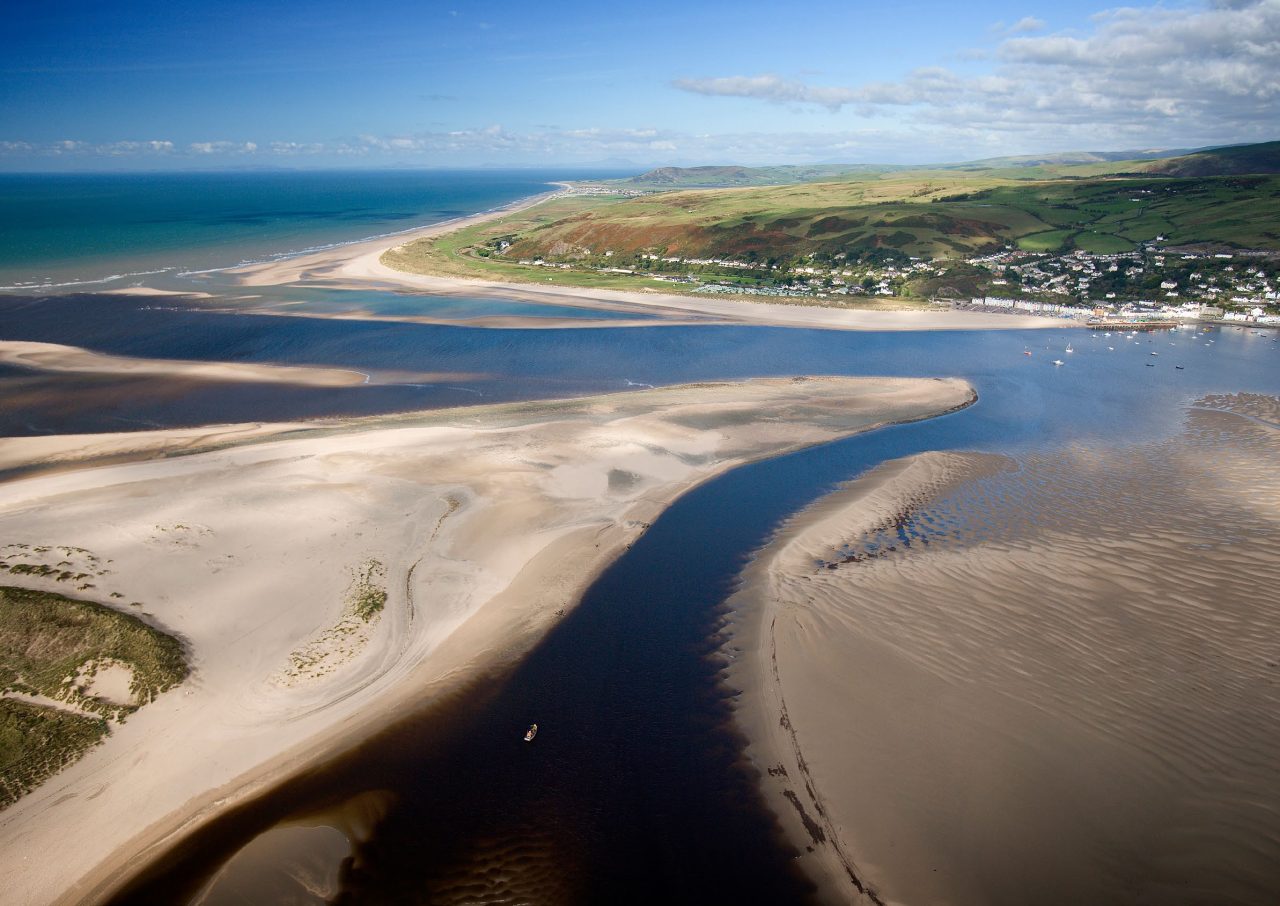
The Tir Canol partnership has co-produced this piece of work with residents of the Dyfi community to gather key information about and . This handbook explores the history and geography of the Dyfi coast, its habitats and species, and why it’s so unique.
As a community, we need to prepare ourselves for the ongoing changes to our coastline. We hope that this work can act as a resource for individuals interested in finding out more, but it is also an invitation to join us in our campaign to support the culture, communities and landscape of this unique place.
Project notes and acknowledgements
The project has been supported and facilitated by Tir Canol, in lead partnership with RSPB. It is funded by the Nature Networks programme, which is delivered by The Heritage Fund on behalf of the Welsh Government.
Tir Canol brings people together to protect, restore and connect the landscapes and communities of Mid Wales. It conducts research and development, deepening their understanding to support and shape perceptions and policy in the process.
The partnership includes
Hannah Scrase Sandra Bendelow Dafydd Morris Jones
Tir Canol’s mission is to combine local knowledge, science and community action to create nature-rich spaces that support wildlife, livelihoods and wellbeing. By working collaboratively and acting with purpose, we can shape a landscape where people and nature thrive side by side.
Tir Canol has grown out of lessons learnt from the Summit to Sea project in 2018. The partners of Summit to Sea spent two years listening to the needs and lived experience of the communities in the area around the land and sea.
From those discussions came key themes derived in collaboration with local communities along the Dyfi coast and upper Cambrian Mountains to the North of the river Rheidol. This led to the production of a blueprint that the partners could work together from.
This handbook, Changing Tides, is the result of those discussions. Alongside this handbook, Tir Canol is carrying out a four-year programme, Cynnal Cymru (funded by the Esmée Fairbairn Foundation), based on themes that emerged from our blueprint.
This co-designed, community-focused work supports the development of the partnership and its future governance.
It also delivers a series of projects supporting:
- Farmers in planting field scale crops
- Artists in residence
- A flood management plan with Talybont Flood group
- A Dyfi Woodland action plan with our Nature Officer (and in partnership with Woodland Trust).
Our funders
We would like to thank our funders, the Nature Networks programme, which is delivered by the Heritage Fund on behalf of the Welsh Government, for funding the Changing Tides.

A big thank you to all our collaborators
We would like to thank everyone involved in the creation of this handbook: the co-design group, the people who have participated in the workshops and the interviewees who have given their time, knowledge and expertise. It is thanks to the generosity and open heartedness of the Dyfi community that we have been able to produce this handbook.
The project was facilitated by Tir Canol programme manager Alice Briggs, with support from Sophie Hadaway and our project artist Kirsti Davies. We’re grateful for all the support given by Ben Porter, Rosie Slay and Victoria Aderele from the Tir Canol team, and all our RSPB and Pen Llyn a’r Sarnau colleagues, particularly Amy Owens in the fundraising team. With thanks to Naomi Heath, Sara Perry, Fern Towers and Suzy West for their work in the earlier stages of the project. Simultaneous translation services were provided by George Jones and Dafydd Morris Jones. With thanks to Josh Cooper for generously allowing us to use his photographs in this handbook.
We are deeply grateful to everyone who shared their knowledge during our workshops: Dave Anning; Neil Storkey; Fiona Walker; Peter Dennis; Catrin O’Neill; Mark Macklin; Ian Hewins; Derek Nixon; Fiona Edwards; Ruth Edwards; Ruth Packham; Ffion Raynor; Joe Hope; Mick Green; Cathy Piquemal; Angharad Owen (Network Rail); Alex Arnall and Sarah Thomas.
Lead authors were:
- Chapter 1: Neil Storkey and Alice Briggs
- Chapters 2, 3 and 9: Professor Mark Macklin, Universities of Lincoln and Exeter
- Chapter 4: Fiona Walker; Peter Dennis; Dave Anning, RSPB Ynys-hir; Carol Fielding, Natural Resources Wales; and Ben Porter, Tir Canol; Alison Palmer Hargrave and Seren Harris
- Chapter 5: Caryn Le Roux, Welsh Government, and colleagues from Natural Resources Wales
- Chapter 8: Kirsti Davies and Catrin O’Neill, featuring interviews with members of the Dyfi community; photography by Dan Jones and Ben Porter
We are grateful to have worked with Ed Drewitt and Louisa Aldridge on the evaluation of this project. The evaluation is available to read as a report on the Tir Canol website.
This handbook has been designed by the talented team at Everglow – thanks to Dan Sargent, Rhi Leedam, Jen Burns, Holly Ingram and Amy Garrett-Williams
We hope this handbook becomes a practical tool: a resource that enables us to ask better questions, prepare more effectively and push for the support we need to adapt our systems for what is to come. Shared knowledge is a form of resilience.
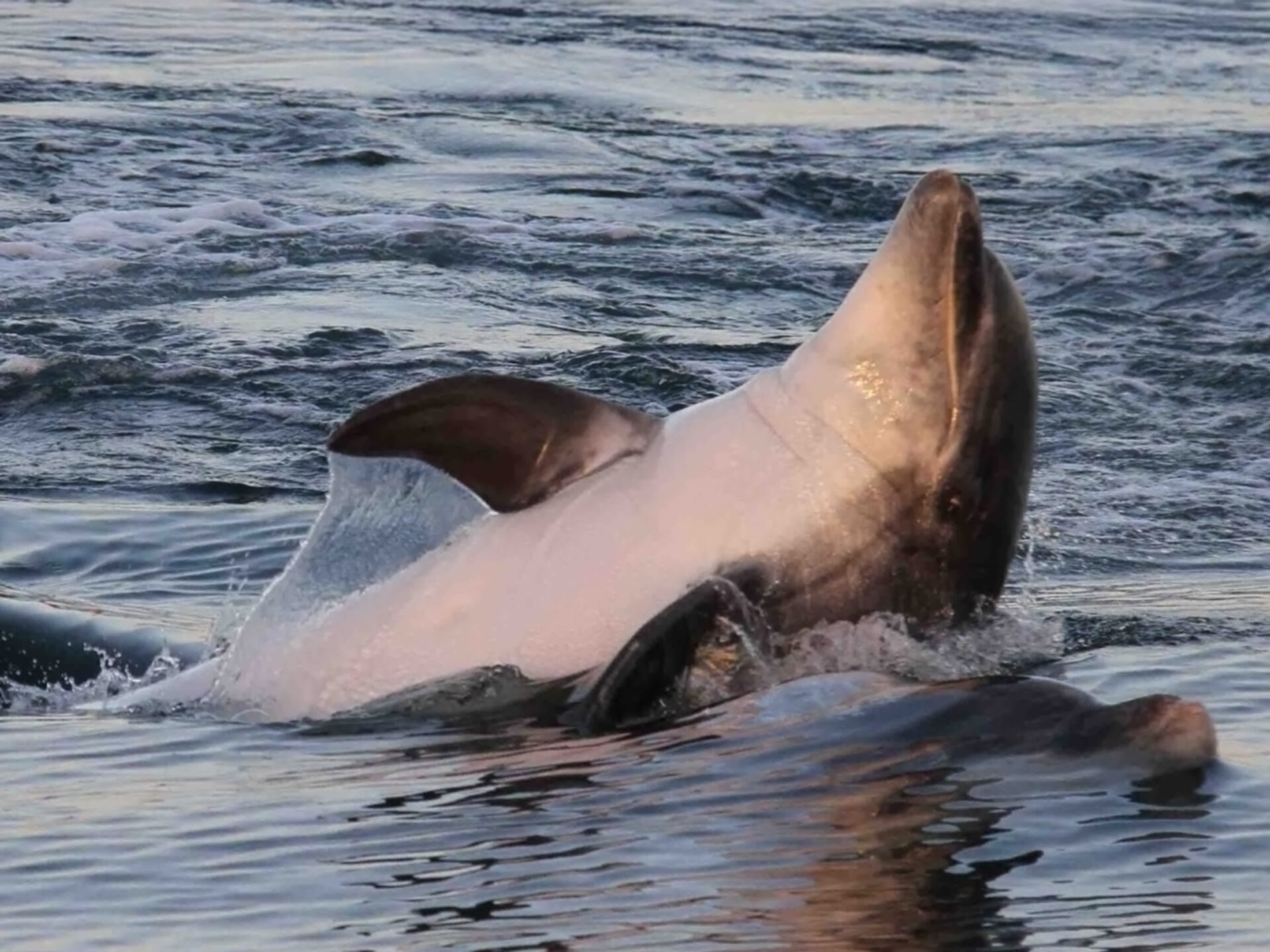
The Tir Canol partnership has co-produced this piece of work with residents of the Dyfi community to gather key information about and . This handbook explores the history and geography of the Dyfi coast, its habitats and species, and why it’s so unique. Alongside this handbook, Tir Canol is carrying out a four-year programme, Cynnal Cymru (funded by the Esmée Fairbairn Foundation), based on themes that emerged from our blueprint.
This co-designed, community-focused work supports the development of the partnership and its future governance.
Copyright © 2026 Tir Canol