Geraint Jenkins
Cerrigcaranau, Talybont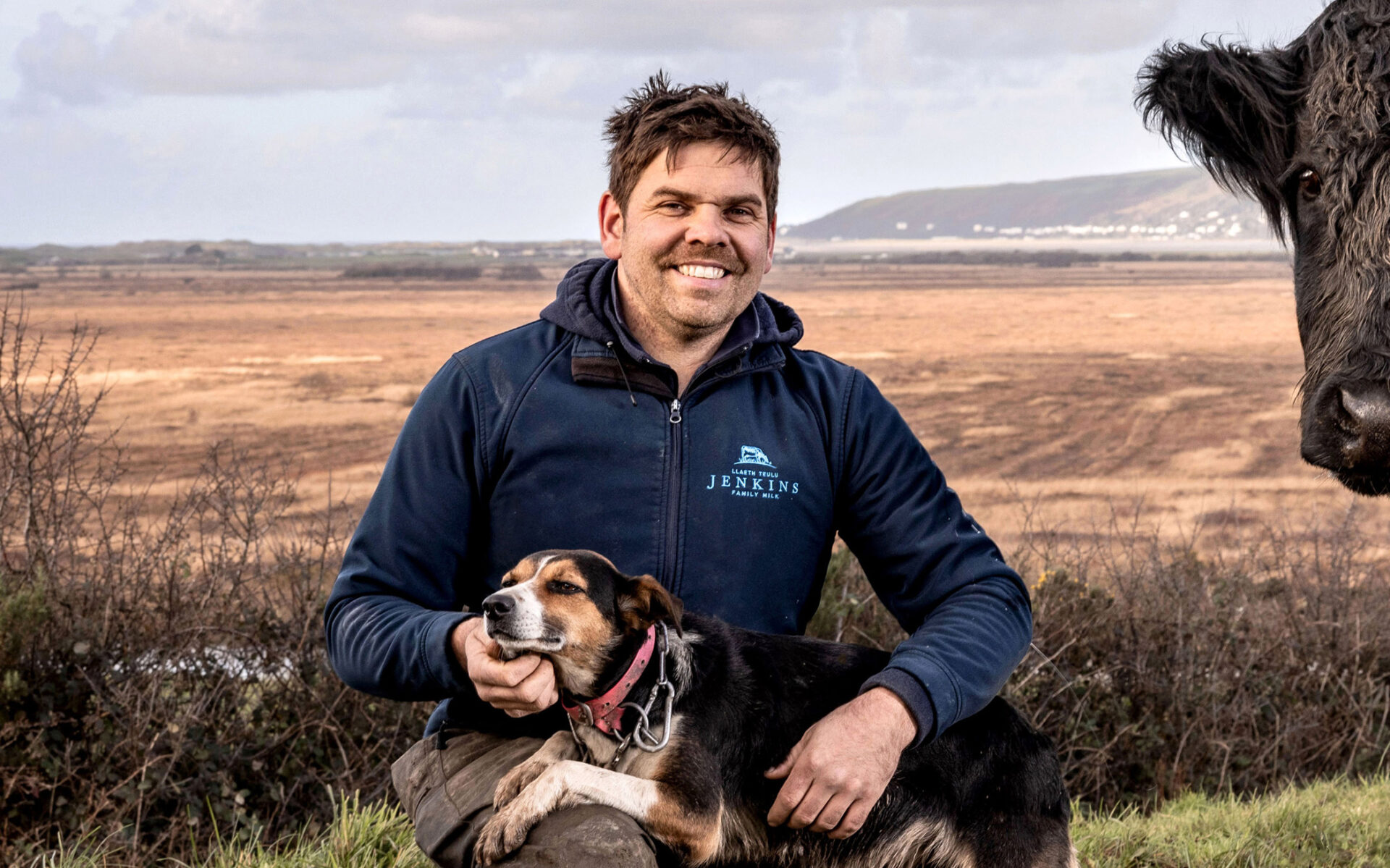
Could you tell us about your farm?
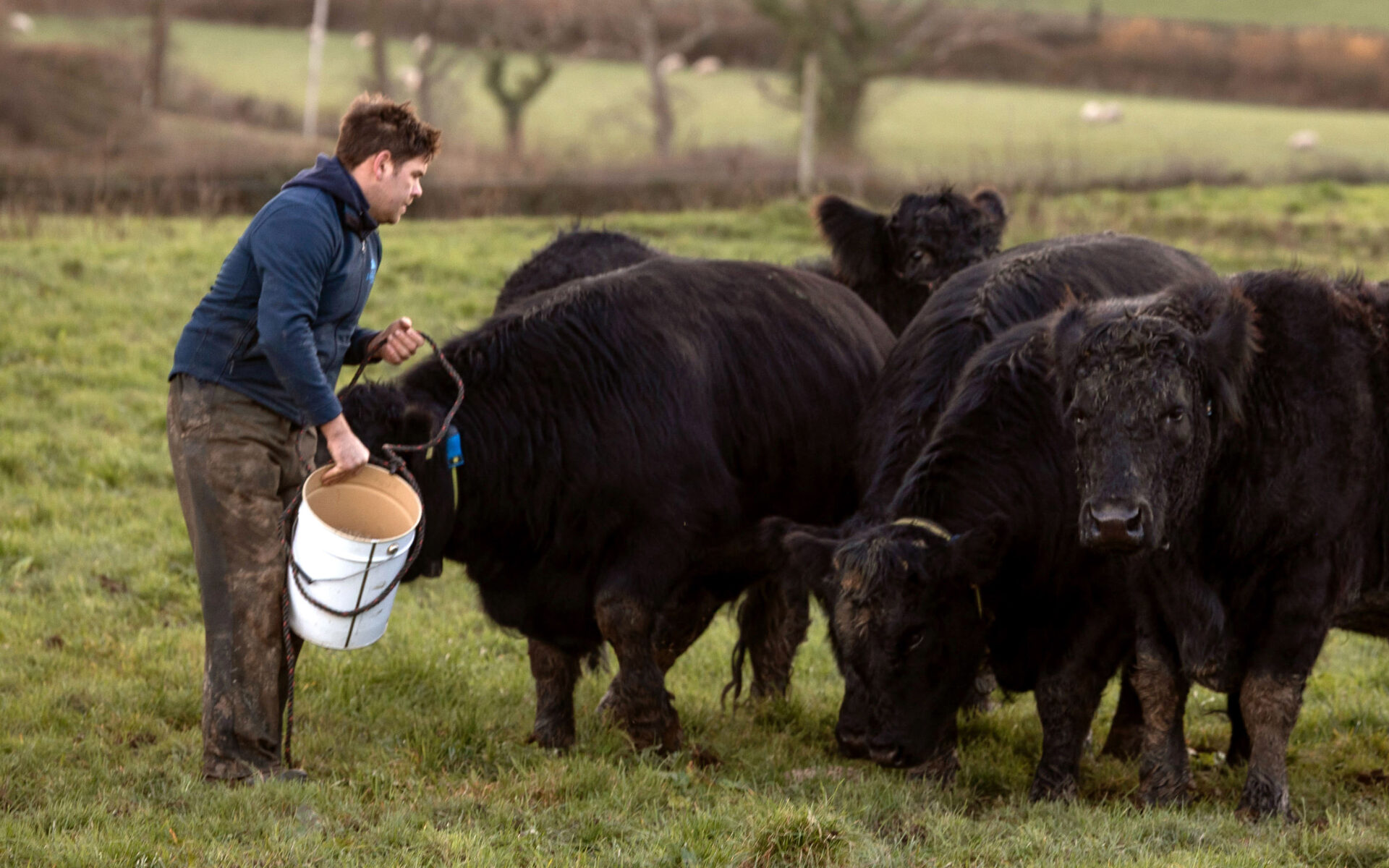
Cerrigcaranau is a mixed farm of dairy cattle, beef and sheep; we went over to organic 25 years ago. The milking herd is the biggest part of our business, which we sell directly to customers through vending machines, local cafes and shops. It’s nice to sell local products to local people.
What do you like about living here?
I love the place. In a way, I live in the same house I was born and grew up in, but you wouldn’t change it. It’s a Welsh area; it’s a beautiful area. As they say, there’s nowhere like home.
You’ve said before that you’re not really affected by but you face other problems?
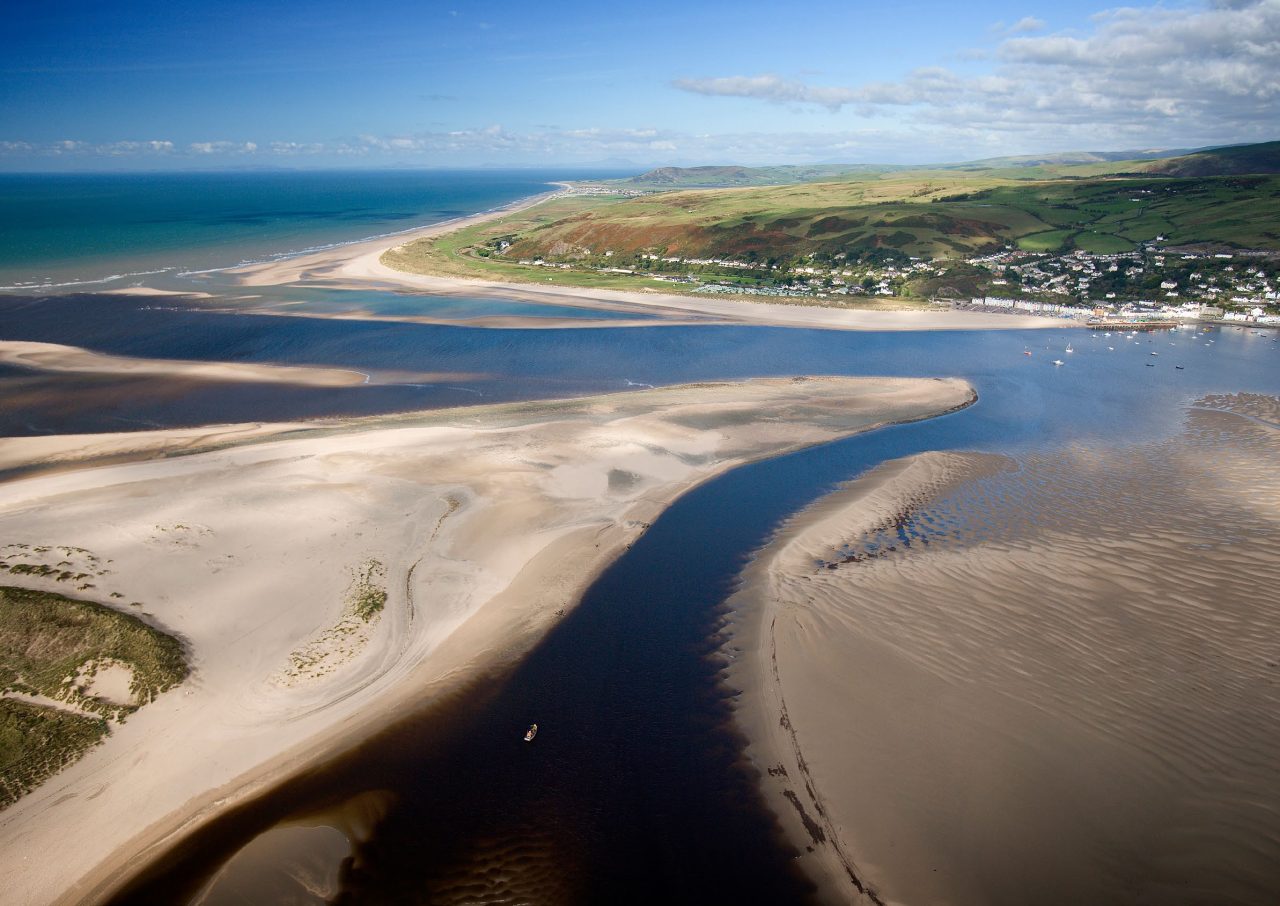
The river Pwll Du starts at the top of Taliesin, taking in the water from the higher areas.
Natural Resources Wales (NRW) are supposed to clean and maintain their part of this river from September to March every year, but I haven’t seen them there for three years now. So when the tidal gate closes downstream, the river water is backing up and flooding onto our land. When the tide recedes, the gate opens again, but it takes a long time to drain out. Previous generations have worked hard to make this land productive, but now it’s under water. It’s being destroyed. I’ve paid rates, of course, but you don’t get anything back.
Our land borders Cors Fochno, and the biggest problem we have is that NRW think the bog is going to dry up when they clean the river. But it has nothing to do with the bog ecosystem. The bog is much higher. This river has been here since the 1820s/1830s to carry the stream water that flows into it. Every time there is a flood, it’s a big concern for some local people, but the answer is an easy one: we must maintain the ditches and keep the riverbanks strong.
Do they talk of trying to do something different, then?
Between Cors Caron and Cors Fochno, NRW has spent £4 million to put these buns in to keep holding water. £4 million! What are they doing?! It was an absolute mess. It’s frustrating to see.
They try to help nature, they discover things, note things, but they don’t help it. There is a lot of work and a lot of money being spent there. It takes an age, and in 20 years they look back and see that it doesn’t help and say, “It wasn’t us – it was someone else who decided this”.
And if the science is right, we’ll get more intense rainfall.
I’ve been saying this recently. That’s why it’s so important that the rivers can take it. There was a farmer from Hereford who went to jail for changing the course of the river. To local people, that boy is a hero! But NRW made an example of him. When he got out, people were talking again about the Land Drainage Act 1991, and how it should be enacted, but NRW are into a law of their own. ‘Regulator and excuse maker!’ For them, it’s just a job, but it’s my home.
Every time there is a flood, it’s a big concern for some local people, but the answer is an easy one: we must maintain the ditches and keep the riverbanks strong.
What do you think farming will look like 50 or 100 years from now?
I have seen the biggest development in technology. We are completely reliant on it for keeping records, how the cows are performing. All the cows have collars on them, like a Fitbit. That is going to develop.
People don’t see food production as a priority. The farmer’s voice is getting weaker. A big concern with farming is that we get subsidies, but it should be like a food net. Last year the price of milk fell 5p per litre in November, and 4p again in January. Added up, 9p doesn’t sound like much, but if you produce 5,000 litres every day, this is a big difference for one company. And they think it’s easier to get food from other places. But it is morally wrong to take food from another country, because we’re a relatively rich country, and it starves poorer countries.
is such a good excuse to hide behind. But it’s not a problem for everything. I know that wildlife is important, but we need to give emphasis to producing food too. We’ve been part of the Tir Gofal scheme – planting trees, and everywhere we can we’ve been double fencing. We’re doing what we can to help make a difference.