Eluned Besent
Penmaen Isa, Pennal
What do you like about living here?
It’s a nice place and we have wonderful views in every direction. I see Ceredigion, Montgomeryshire and Meirionnydd, and, to tell the truth, it changes every day.
Do you have a favourite local place?
I like to go to the field between us and Yr Ynys (the farm next door). From there, you see right over to Derwenlas, and you can see a lot more of the valley.
Have you noticed any changes in the area over the years in terms of ?
I don’t feel that it affects us a great deal, to tell the truth. The worst storm we ever had here was in 1982, when the railway line between Gogarth and our crossing was badly damaged by the tide with the wind behind it. The railway was closed for months because the track was left in the air in seven places.
The tide itself isn’t much higher to be honest (we calculate it using the Liverpool Tidal Timetable). The upper part of the salt marsh isn’t often covered; it happens a handful of times a year. They apparently planted potatoes here during the war – there’s not much difference.
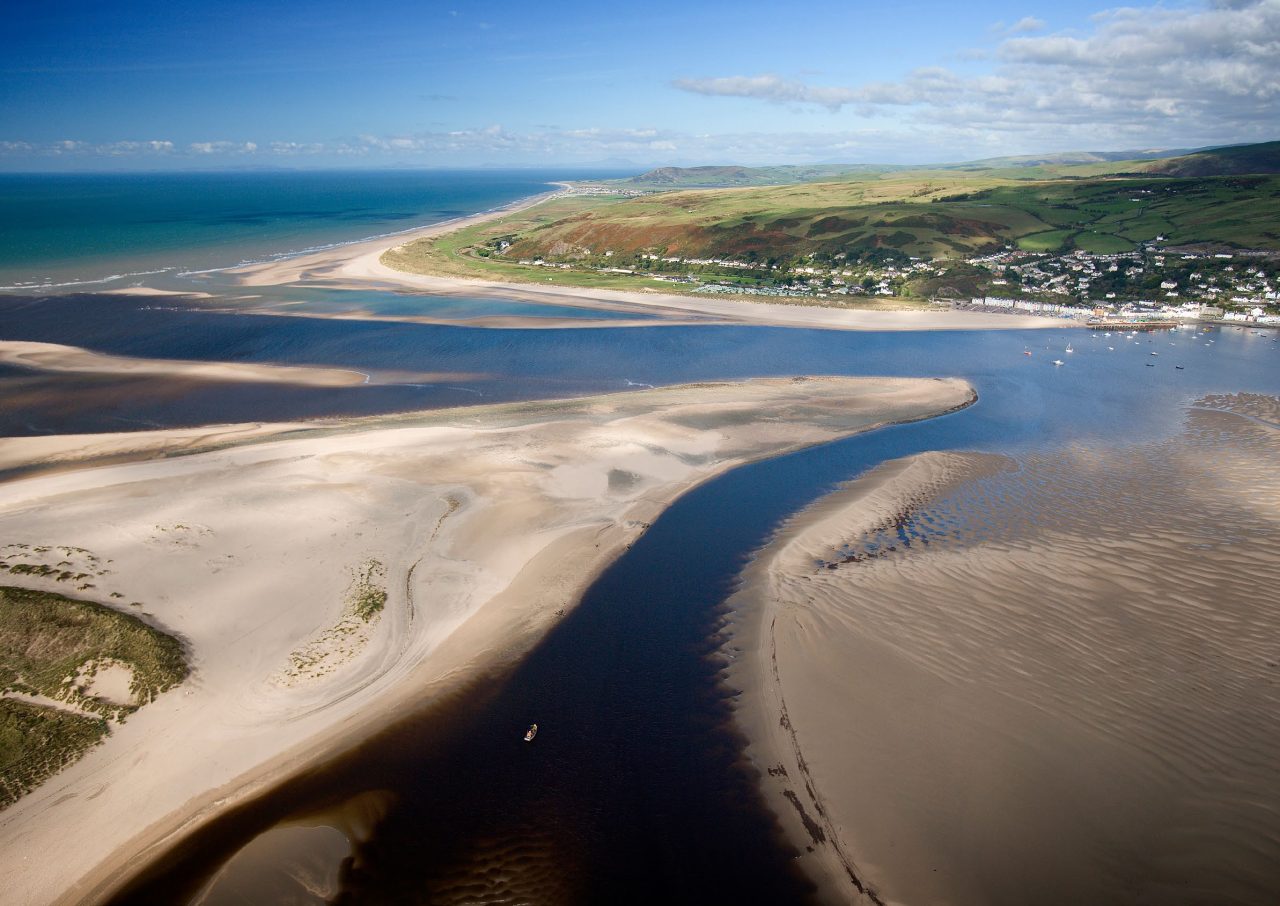
What affects the river more is that the water is not flowing out as fast as it used to, – as no-one clears the river of sand anymore. In the 1970s and ’80s there was a dredger slowly going around the estuary; they would have done this somehow for centuries. It made a big difference as now so much sand fills the estuary and the water takes longer to flow out to sea – it’s sort of trapped.
As to the effect on the farm – we don’t actually farm a great deal on the salt marsh as we don’t keep sheep anymore, only dairy cows. My cousin from Ynys lets sheep down to graze sometimes and we have cows there for summer months when they are drying off.
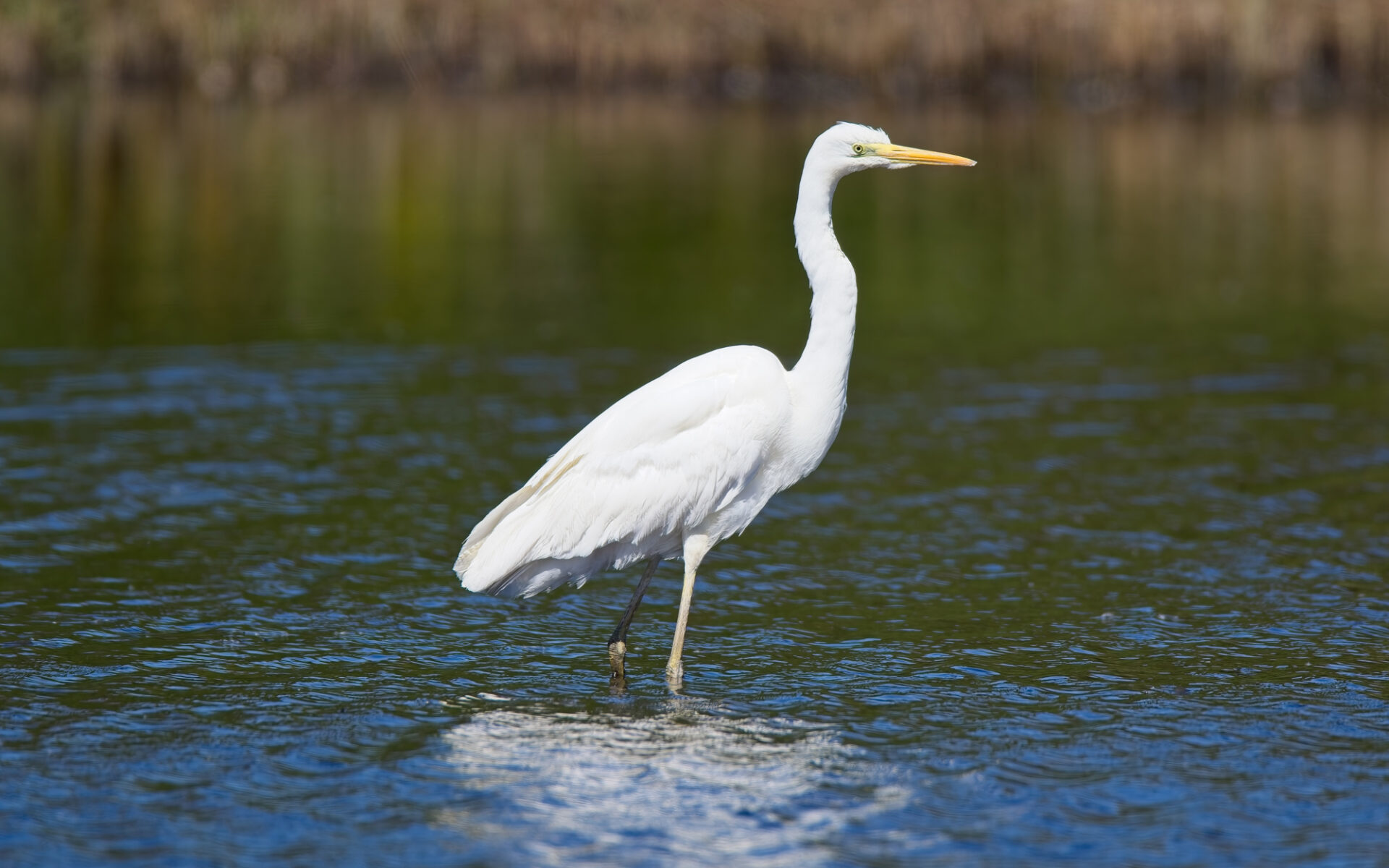
In the past we have done work with bird habitat projects – such as regrading ditches for young lapwing chicks etc. But these sort of projects need longevity. The white egret is a new bird for the estuary since I was a child and there are quite a few by now.
Do you have any ideas on how we can adapt locally?
There needs to be more management of the river as I had stated. The Black bridge upriver is a good example of this. Work on the farm is changing, and there is a very forward thinking award-winning project led by farmers in Pennal. It includes developing ’slo-flo’ plans to slow the rainwater flowing down in the forests which works well – trees need planting carefully to help this.
Local sewage needs managing better too – the same problem of river flow again. Conservation needs to be more considerate of all species – Canada geese seem to dominate the salt marsh and affect other species’ habitats.
What needs to change in order to be more reslient?
Everyone needs to consider what they can do. We put in a ground source heat pump ourselves last year to feed the underfloor heating. We have solar panels which help with electricity for the house and milking. We also have a small wind turbine and three large batteries to store electricity that may not go into the grid. Everyone needs to consider such actions. There are so many possibilities – even with shed roofs.
We need to look after the land. For example – we spread seeds after the first crop of silage is cut, and roll it in to avoid ploughing and breaking up the soil, releasing .
If you could send a message to future residents living and working on the coast, what would it be?
We should consider all aspects of land conservation – keeping the water clean and land biodiversity. Monoculture will help no-one. We need a variety of habitats to support a variety of species, and so to keep what is special about the Dyfi valley.
Each generation should look after what they’ve been given, respond to challenges, but to make sure that governments listen to the people living by the river every day.
Eluned has developed a bilingual history audio trail for the area and is the secretary for the Dyfi Wildlife Trust
The white egret is a new bird for the estuary since I was a child and there are quite a few by now.