Caroline Stockford
Poet, translator, writer and human rights activist, who lives in Borth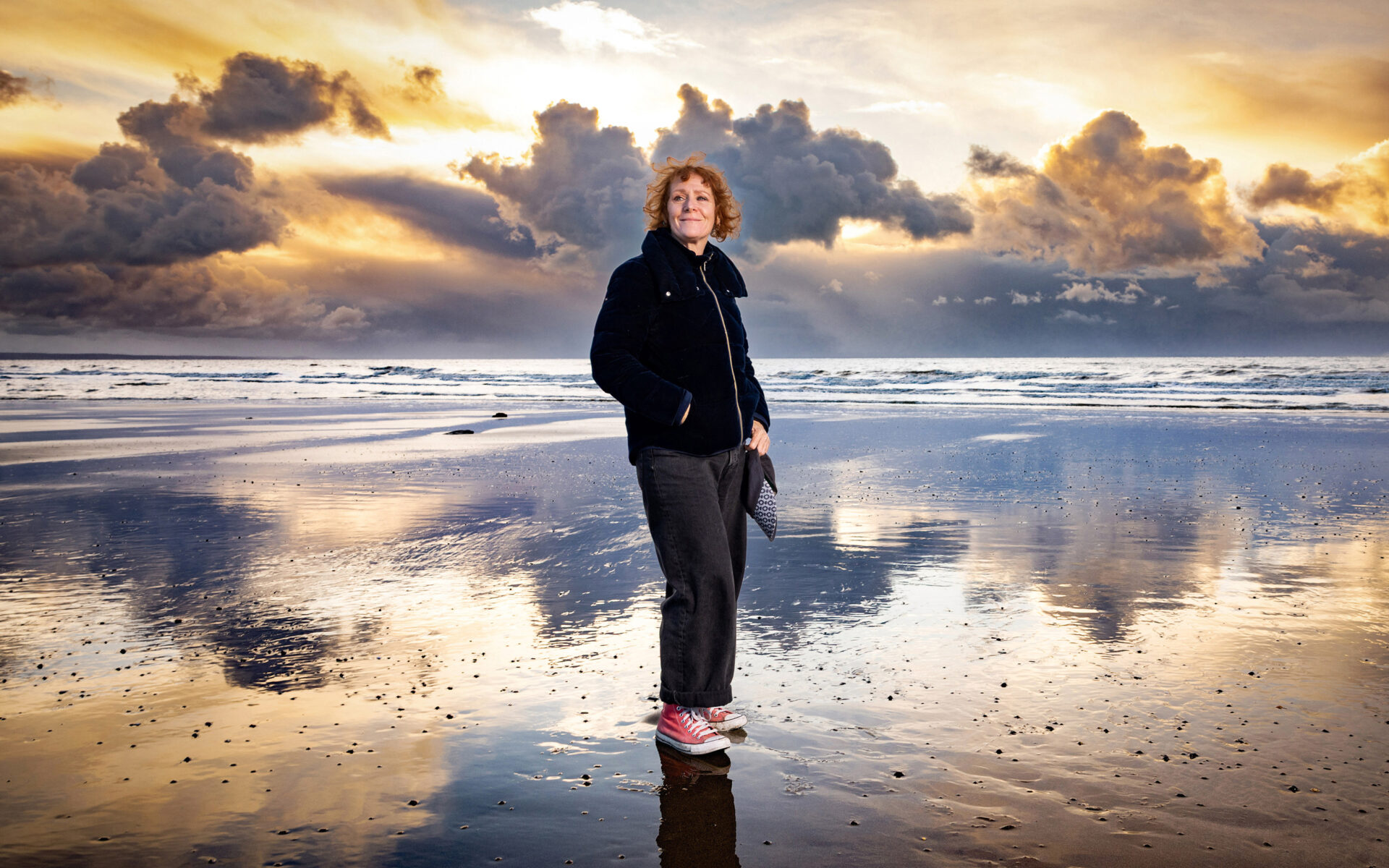
What do you like about living here?
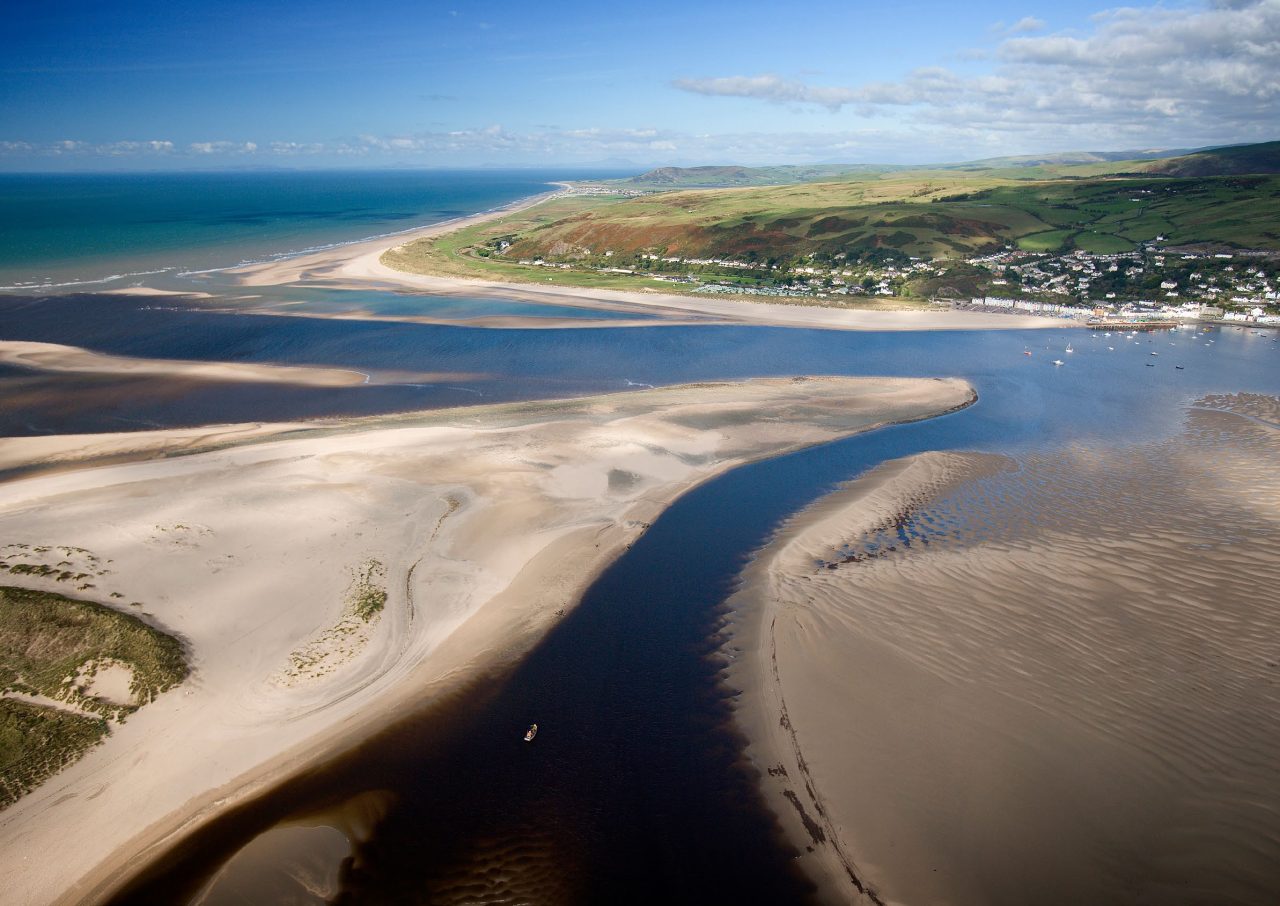
I love being able to look out at Cardigan Bay while I work and to walk my little whippet on the beach and over the bog, Cors Fochno. I love the way the sea changes on a daily and hourly basis – it’s better than TV.
Have you got a favourite spot?
I love the petrified forest on Borth beach and was lucky enough to find a piece of a boar jaw bone on the beach that may be 6,000 years old.
Have you noticed any changes in the area over the years with regards to or biodiversity?
I’m old enough to remember the summers in the 1970s and 1980s in Barmouth where I grew up. There did seem to be more clearly defined seasons then. The barrage in Barmouth accelerating the destruction of Fairbourne is very sad. That little town will soon disappear, and I have very happy childhood memories of ferrying passengers over to Fairbourne with my dad in our boat. I miss the old days of the local fisherman characters, the old lifeboatmen and my father’s boat chandlery business on the quay. We grew up with a pet seagull and a swan who refused to leave the slipway.
Do you have any suggestions or ideas for local solutions?
I think there should be a climate plan for each town where schools, clubs, locals and tourists can all get involved to monitor wildlife, trees, seaweed and sea life. I think there should be one big local project per year for each town where local volunteers are led by professionals in monitoring and entering into dialogue.
I am glad to share the beautiful place where we live with tourists, but they are seasonal visitors, too, just like flocks of birds. I think tourism should be measured when considering . There is a façade of prosperity in the summer and deep poverty in the winter. I would like to see more businesses based on river trips, guided walks and seal spotting.
People do not like to consider the overwhelming prospect of land being permanently flooded, so we have to start small conversations about what we might be able to do. When might it be time to start building on higher ground or should we imagine that we will lose whole towns? It is scary once you start contemplating it.
What do we need to do in order to be more resilient?
Community cohesion and a feeling that we are not ignoring this problem. The storms event in Borth’s Star of the Sea in October 2025 was a really heart-warming night of local solidarity and storytelling. We all came away feeling connected and bolstered by the fact that people on this coast have been living with and storms for hundreds (even thousands) of years.
We could have a drill, perhaps once a year of what to do if there is a major flood or risk to life from storms. We could have more talks about , put forward in an engaging, creative way, at the Borth carnival, perhaps?
How do you think our community is preparing for sea level rise or hazards?
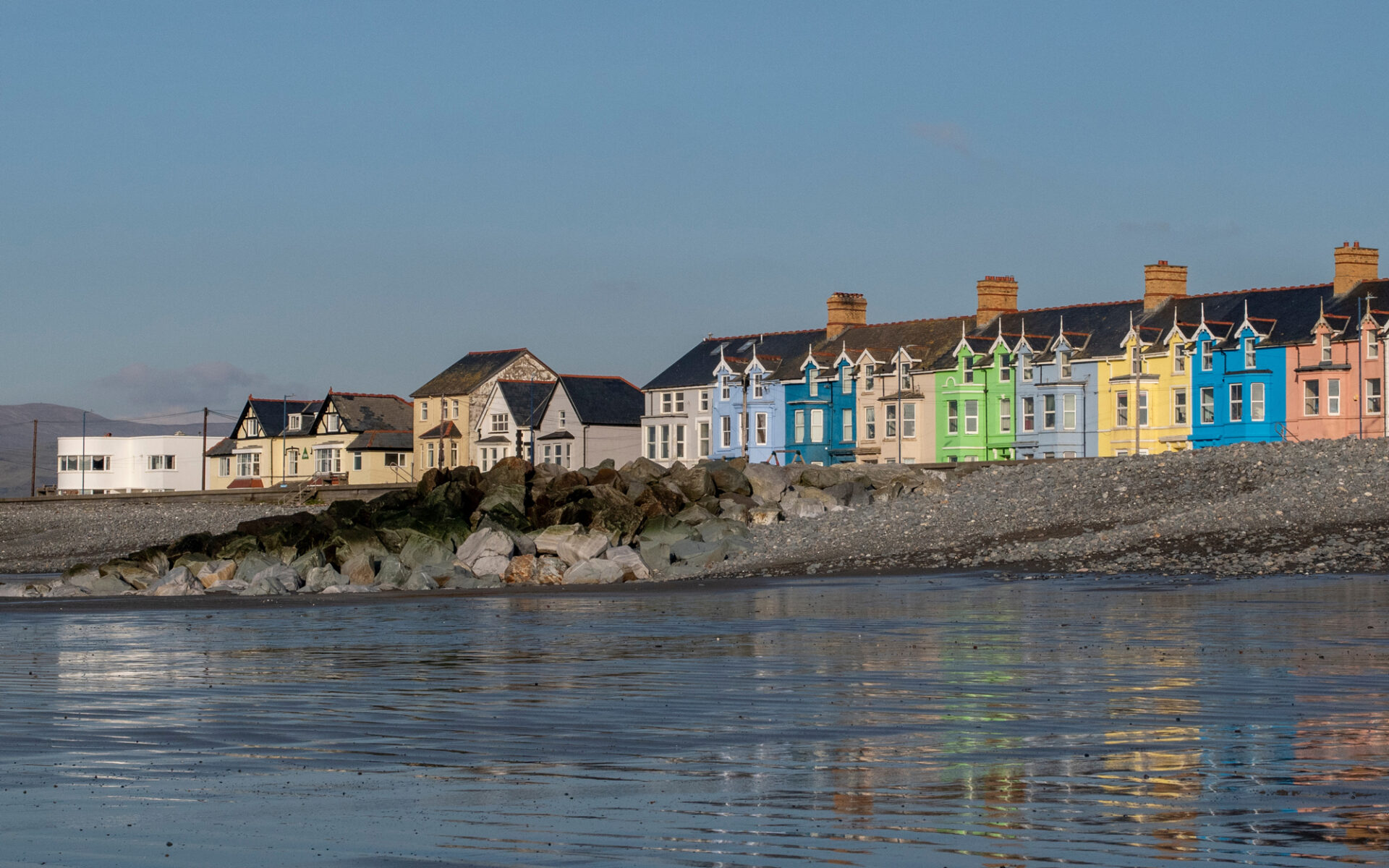
The sea defences in Borth seem to really work. The large boulders cause the waves to break and a lot of their power to be disseminated. I watch them every day. It’s a privilege to live so close to these powerful tides. Apart from the Borth storms event and the sea defences, it didn’t feel as though anyone was talking about sea level rise or hazards until I heard of the Tir Canol project. In short, I don’t think our community is preparing at all. We are just living through them and noticing their increasing frequency.
What do you think it will be like 50 or 100 years from now, and how can we plan for it?
I think there will be bigger residential centres just inland, spreading up valleys. If the northsouth rail link is not restored, I think we should consider a network of transport by sea, which would seem to me to be less disruptive to wildlife and the ecosystem than bigger roads.
Since the COVID lockdown, we have already seen a lot more visitors exploring the area and, if temperatures rise, we may well see huge development along the coast like in Spain and Turkey. So, we probably need to mitigate that now!
We have the imaginations to solve these problems. We just need the will of the populace to do something before it’s too late.