Chapter 4(Preview)
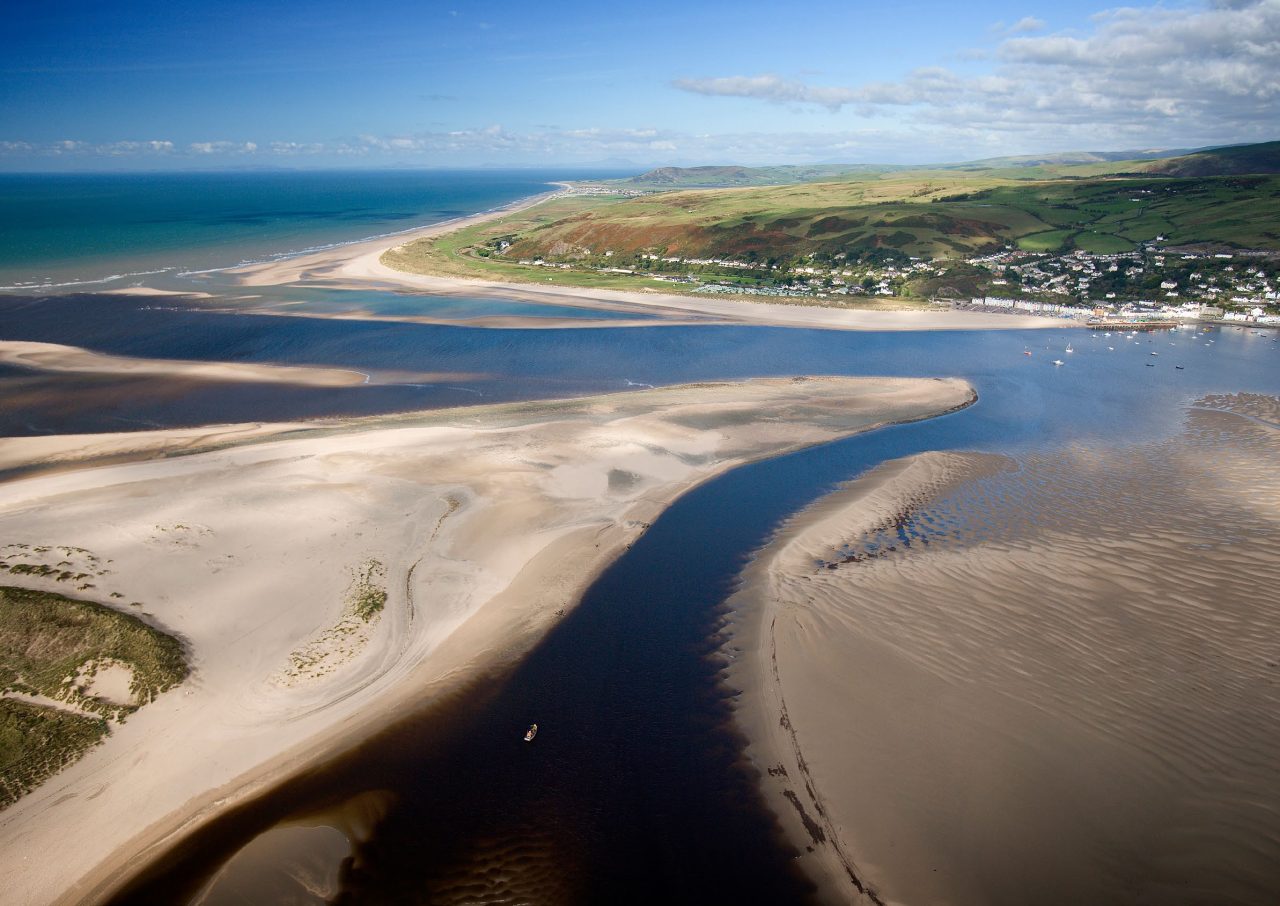
Anyone who lives or visits the Dyfi area will know how rich in wildlife it is. The area supports an amazing diversity of habitats, from offshore reef systems and estuarine salt marshes, through Atlantic rainforest woodlands in deep-cut river valleys, to more exposed upland bog habitats and heathland on the mountains surrounding the region.
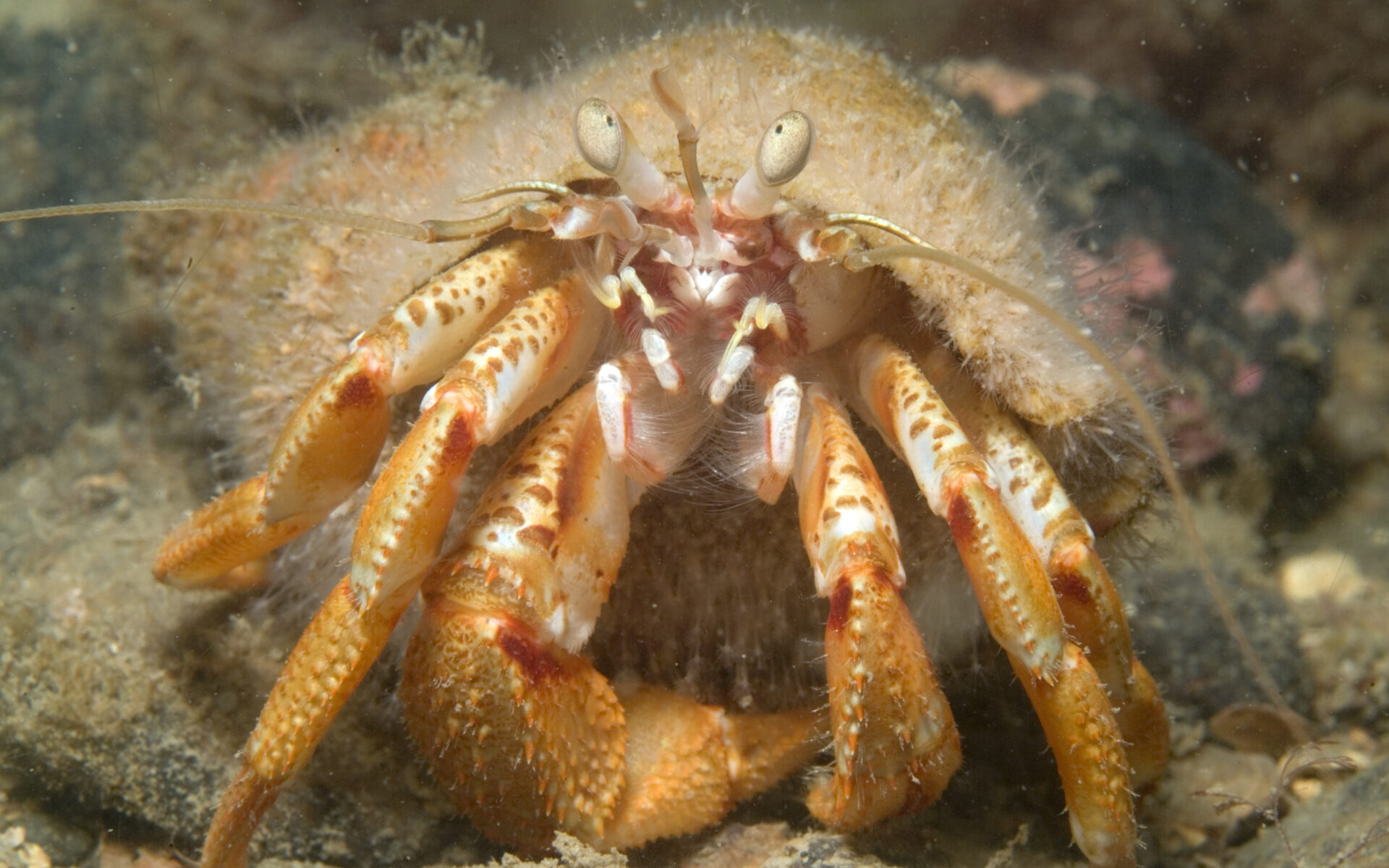
This impressive array of habitats in turn supports countless species that can be found across the area – many of which are rare and highly restricted.
In this chapter, we explore what some of those species and habitats are. We also look at some of the ways we might expect the dynamic and estuarine environment of the Dyfi to respond to future changes in climate, sea level and extreme weather events.
It outlines some of the challenges to nature conservation and land managers seeking to safeguard the important species and habitats found in the Dyfi. It also highlights some of the ways we can adapt our activities to increase the of this amazing area of Mid Wales to the changes on the horizon
Unique habitats and species found here in the Dyfi:
A key component of the Dyfi region is its river systems, estuary habitats and marine environment.
The dynamic connection between land and sea has dictated the region’s human and ecological communities for millennia and is of foremost importance as we look to the coming years.
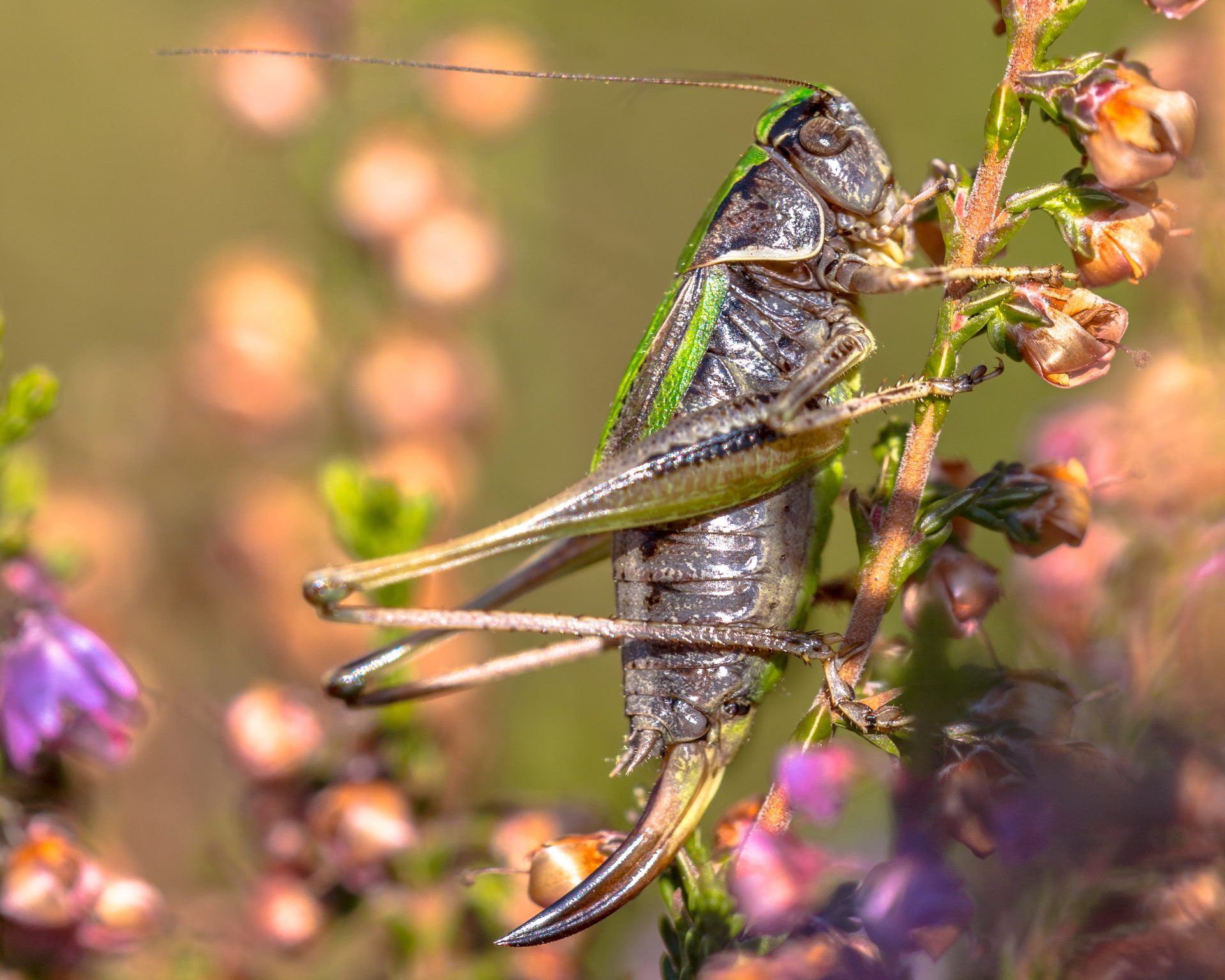
It is at this intersection that we find some of the area’s most important and unique habitats and species: one of Wales’s largest lowland-raised peat bogs is located between Borth and Taliesin (Cors Fochno) which is home to rare species like the large heath butterfly, rosy marsh moth and bog bush-cricket. The large heath butterfly is a rare butterfly with only a handful of strongholds left in Wales. In the Dyfi, a population found on Cors Fochno represents the very southern edge of this butterfly’s UK distribution.
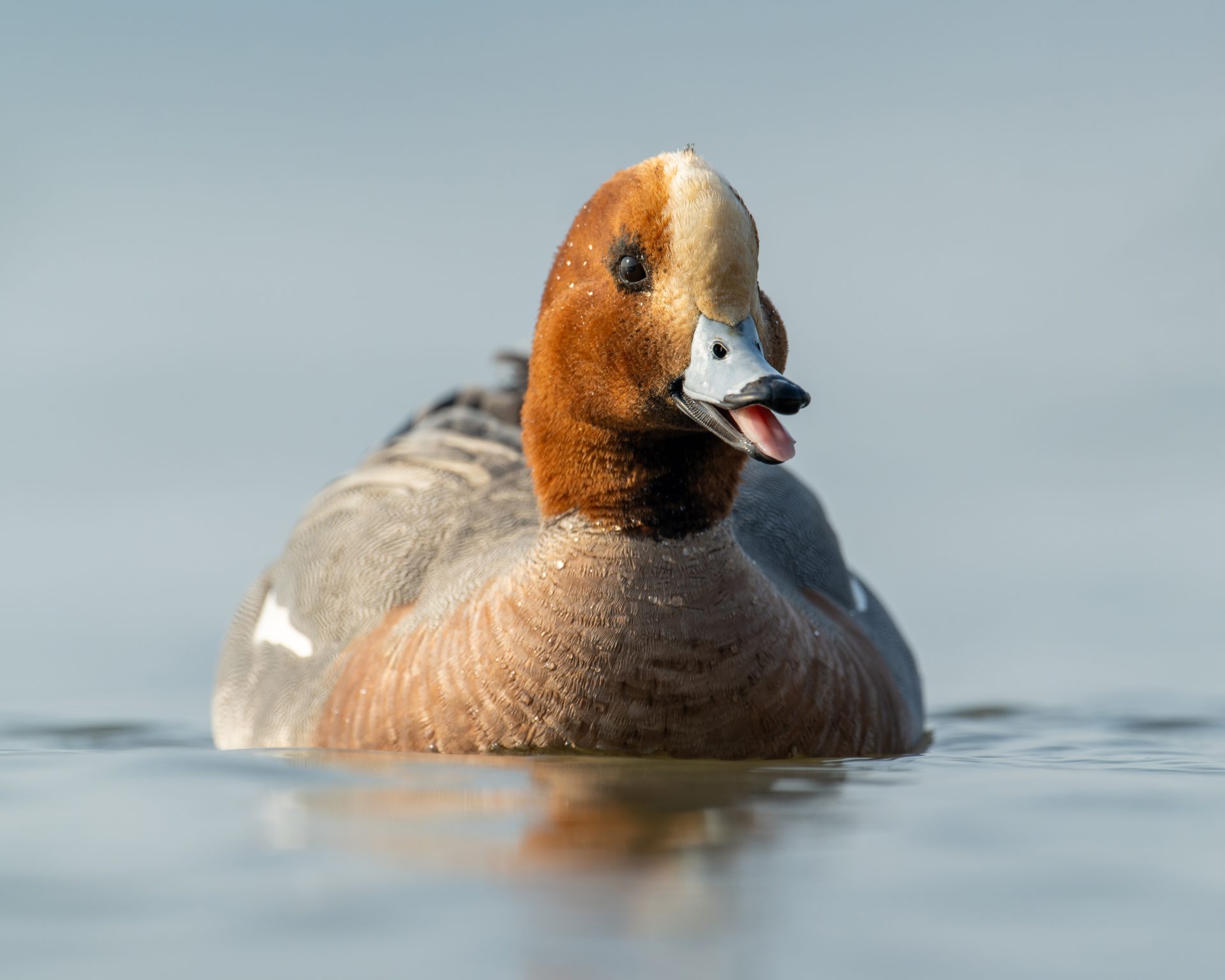
Extensive salt marsh and mud flat habitats straddle the river sides between Ynys Las and Pennal, and are of immense importance for overwintering wading and wildfowl bird species like curlews, oystercatchers and wigeon.
The sand dune habitats of Ynyslas host an immense diversity of rare plant species such as early marsh orchids and bee orchids, as well as sand lizards reintroduced in 2009. This habitat is also home to the irish lady’s-tresses: a beautiful and dainty little orchid, this scarce plant was only discovered in the Dyfi in 2019 and is the only known site in Wales. It exists in the Ynyslas dune systems and flowers from July to August.



Rocky outcrops jutting out from the farmland, wetlands and salt marsh habitats of the estuary support old, mature oak woodlands where migratory birds such as pied flycatchers, wood warblers and redstarts breed come spring.
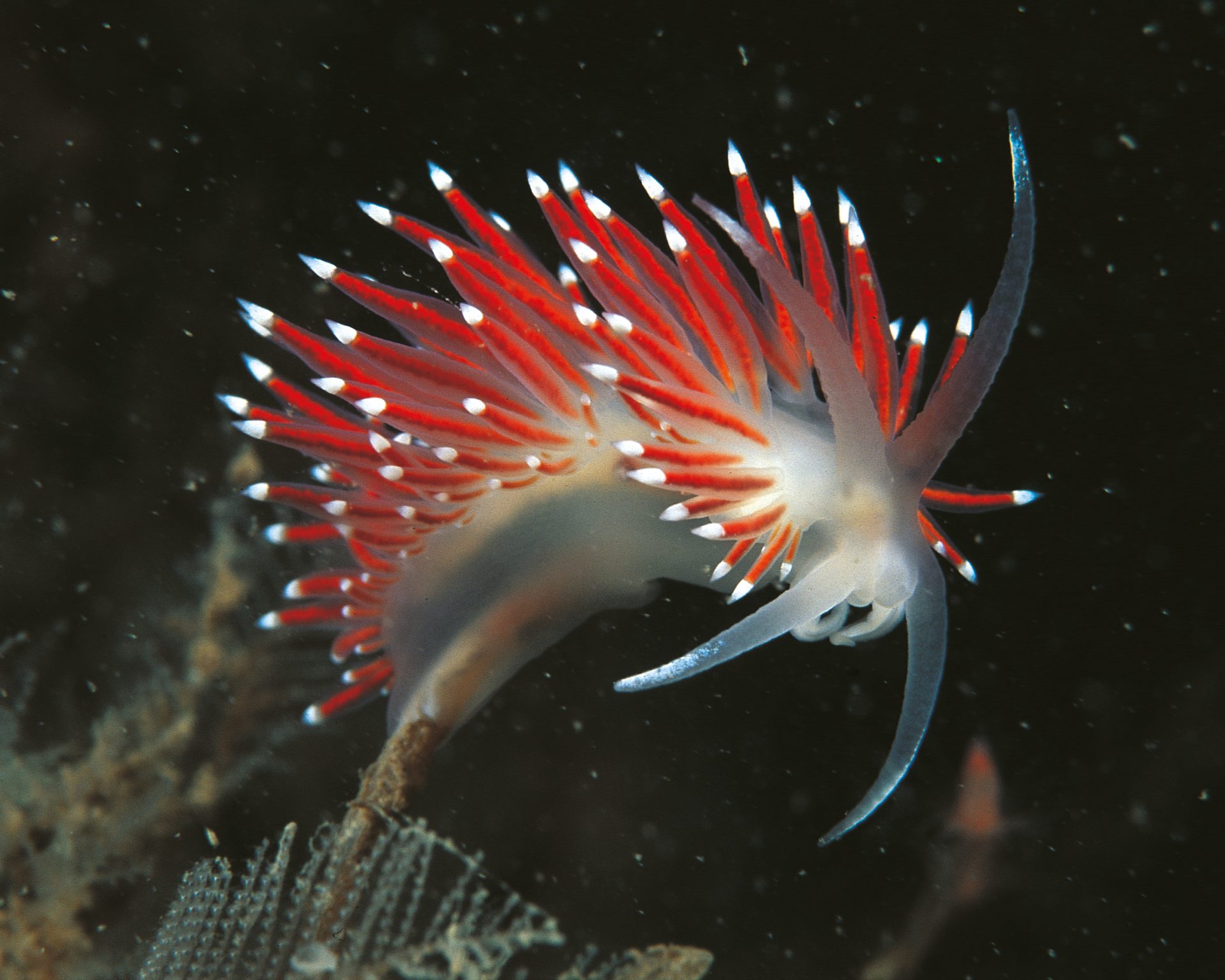
Beyond the shoreline we can find bottlenose dolphins, grey seals and important seasonal feeding grounds for seabirds like manx shearwaters, as well as unique reef systems associated with the immense glacial boulder formations of Sarn y Bwch (near Tywyn) and Sarn Gynfelyn (near Aberystwyth).
Here are a few more of the scarcer birds and animals that can be found here in the Dyfi:
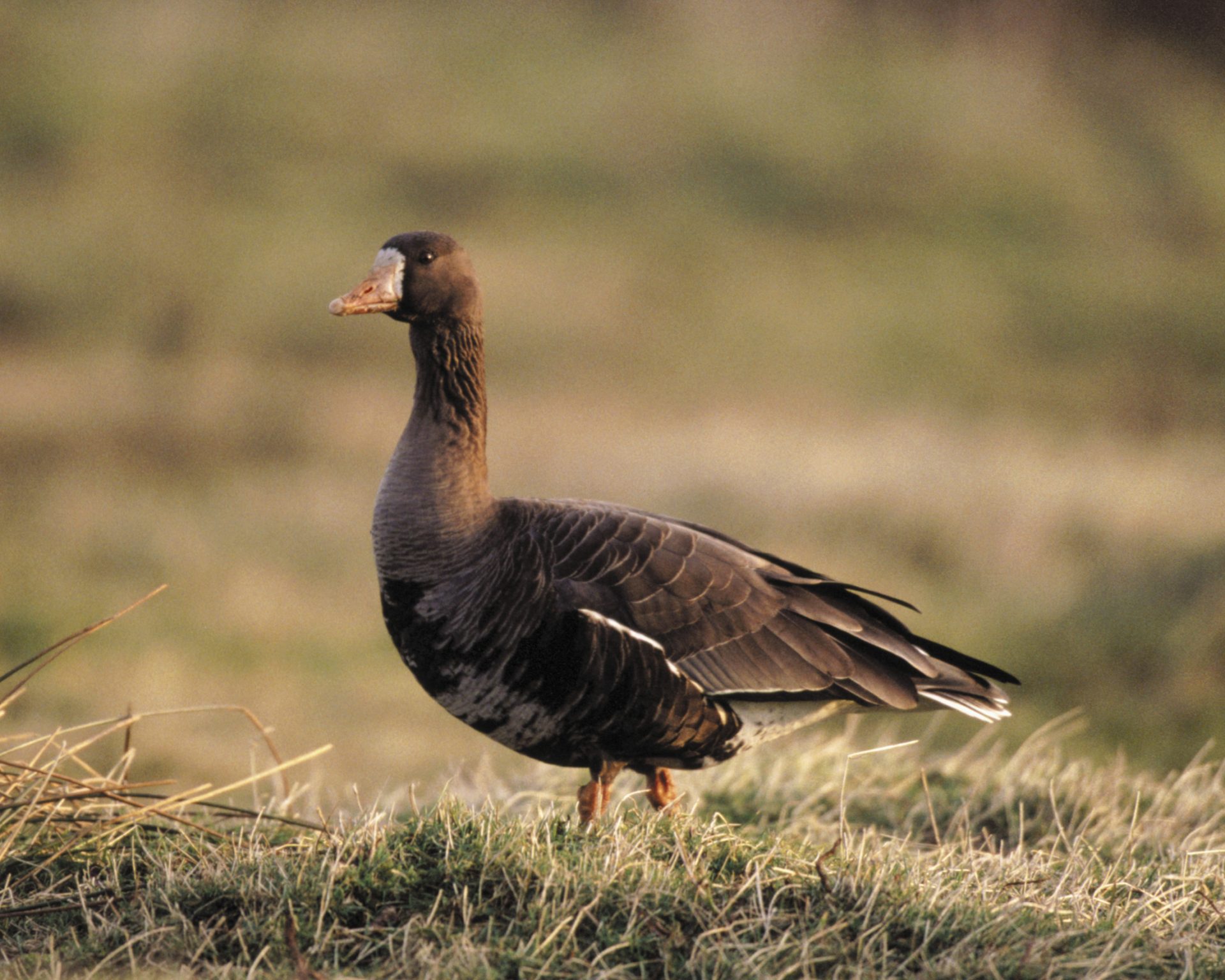
Greenland Whitefronted Goose
The Dyfi Estuary is one of only two places in Wales where these very rare geese spend their winters. Currently, the global population numbers 18,000, and sadly their numbers are declining every year, mainly because of poor breeding success in the Arctic.
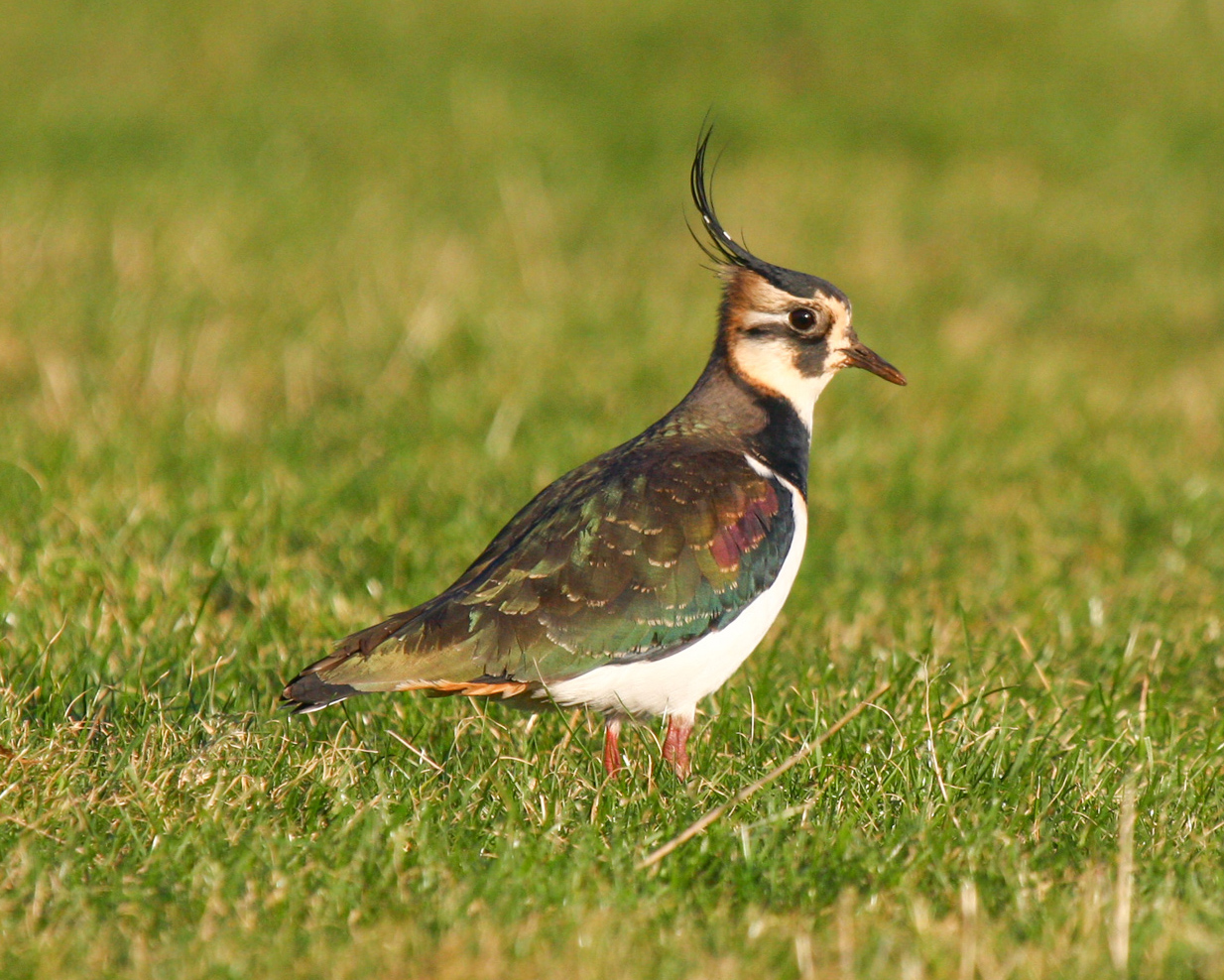
Lapwing
The Dyfi has one of Wales’s largest breeding populations and the only viable populationin South and Mid Wales. Once a common farmland bird, it’s now restricted to areas where there is targeted management for this species.
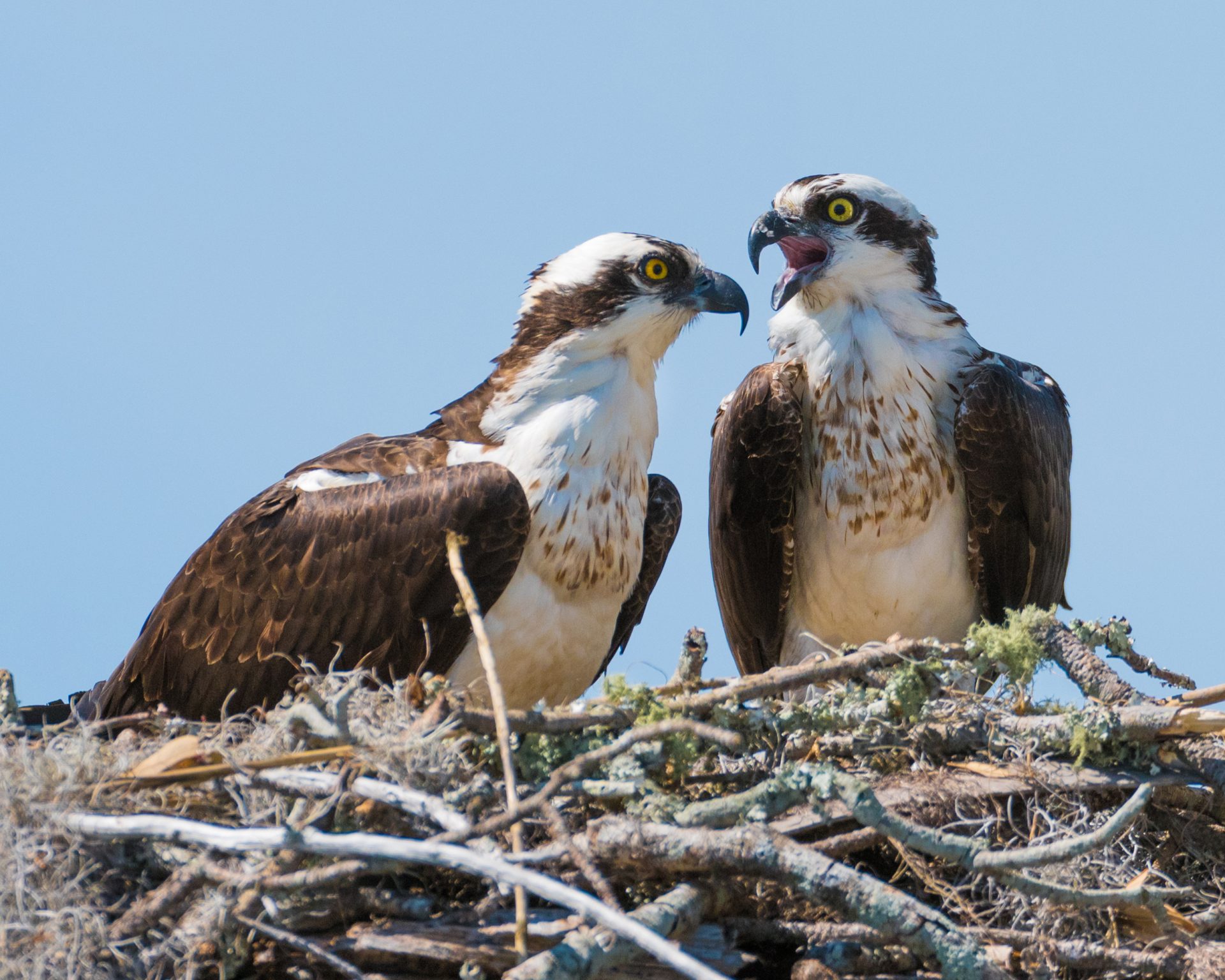
Osprey
The Dyfi is famous for the breeding pair at Cors Dyfi and demonstrates that conservation measures can turn the fate of rare species around. It is also an important economic driver in the area
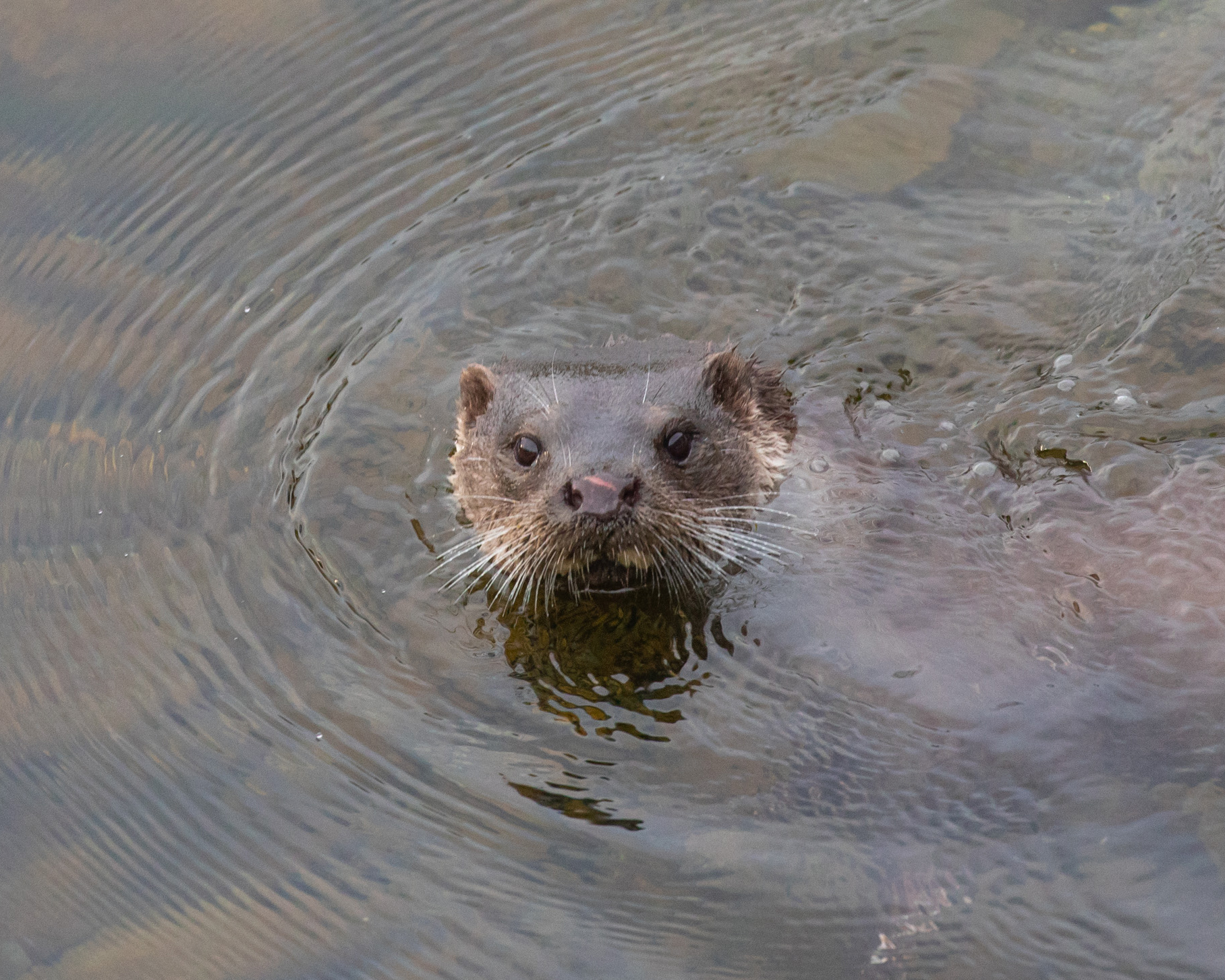
Otter
The Dyfi has a high population of this charismatic mammal around its river, wetland and habitats. It’s a species that requires a healthy aquatic environment with safe places to retreat to.

Salmon and Sewan
The Dyfi is a famous fishery for salmon and Sewan, a type of brown trout that migrates to the sea. Both species have declined dramatically over the years and are important for the Dyfi food chain and local livelihoods.

An area of ecological and cultural importance
The Dyfi’s importance for wildlife and diverse habitats – both on land and at sea – is reflected in the many UK and European designations the area holds.
For example, the entire Dyfi is designated as a UNESCO Biosphere reserve (the only one of its kind in Wales) in recognition of its immense ecological and cultural importance.
The Dyfi Estuary, Ynyslas Dune system and lowland raised bog habitat of Cors Fochno make up a substantial National Nature Reserve, with specific Special Areas of Conservation and RAMSAR wetlands sites found here.
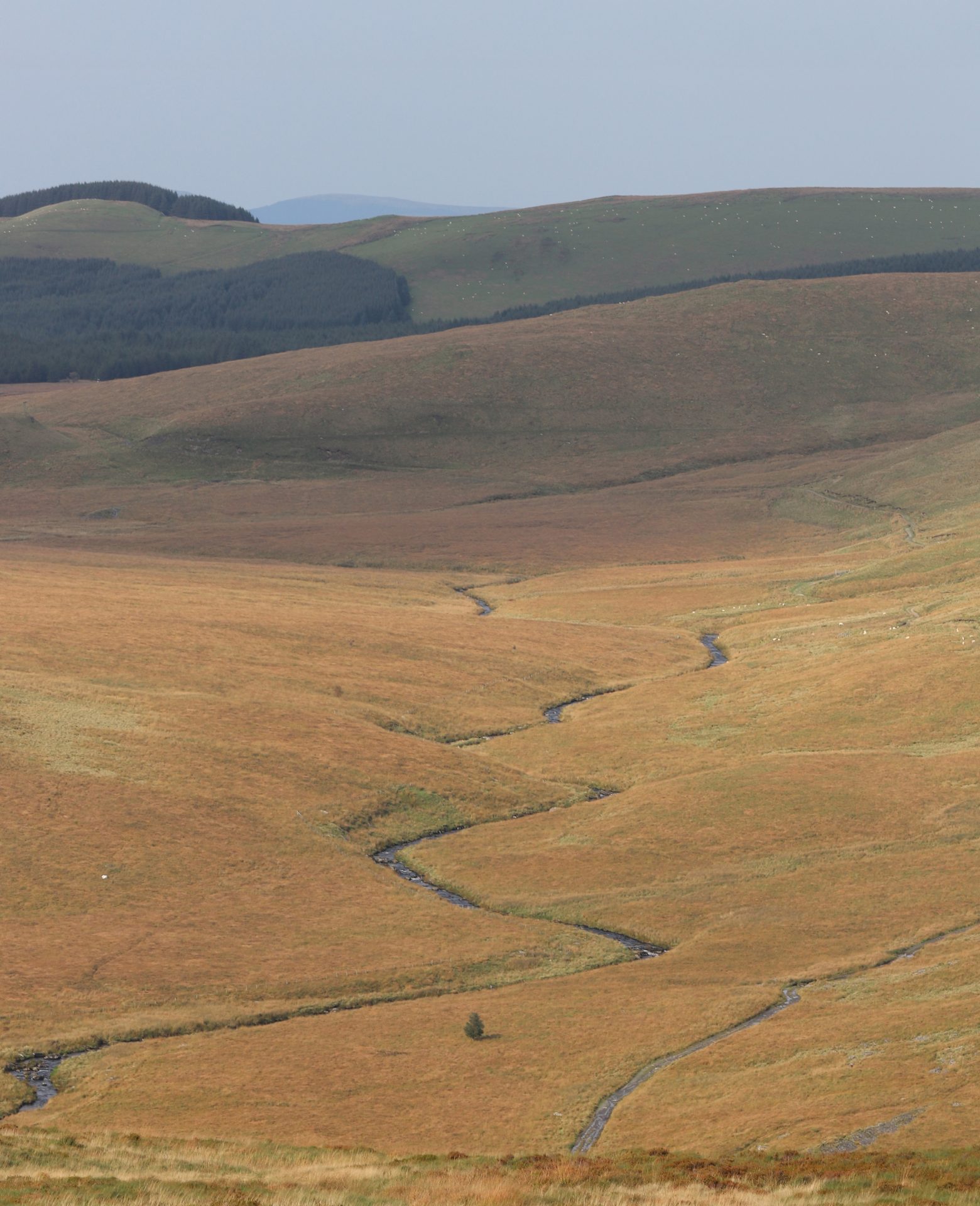
Further afield
Further afield in the upland regions are many Sites of Special Scientific Interest (SSSI), including the immense upland plateau of Pumlumon – with its upland birdlife and vegetation assemblages.
The coastline and marine region of the Dyfi is part of a much wider marine Special Area of Conservation (SAC) which extends from the reef systems off Aberystwyth all the way up the coast of Pen Llŷn in the north – the Pen Llŷn a’r Sarnau Special Area of Conservation (PLAS SAC).
This designation not only recognises the species of importance occurring offshore but also highlights the complex array of habitats that exist from shore to sea: from the sheltered waters of the estuary, with its mudflats, saltmarshes and tidal channels, to more exposed rocky shorelines with habitats and seaweed communities, to the sandbanks and reef systems offshore.
The Dyfi estuary is a UNESCO biosphere and part of a national nature reserve which incorporates Cors Fochno, Ynyslas sand dunes, the RSPB Ynys-hir Nature reserve and the Dyfi Osprey Project. Taken together, such designations provide an important framework for guiding the conservation, land use and marine activities in the area, as well as providing funding opportunities for restoration work and nature-positive activities
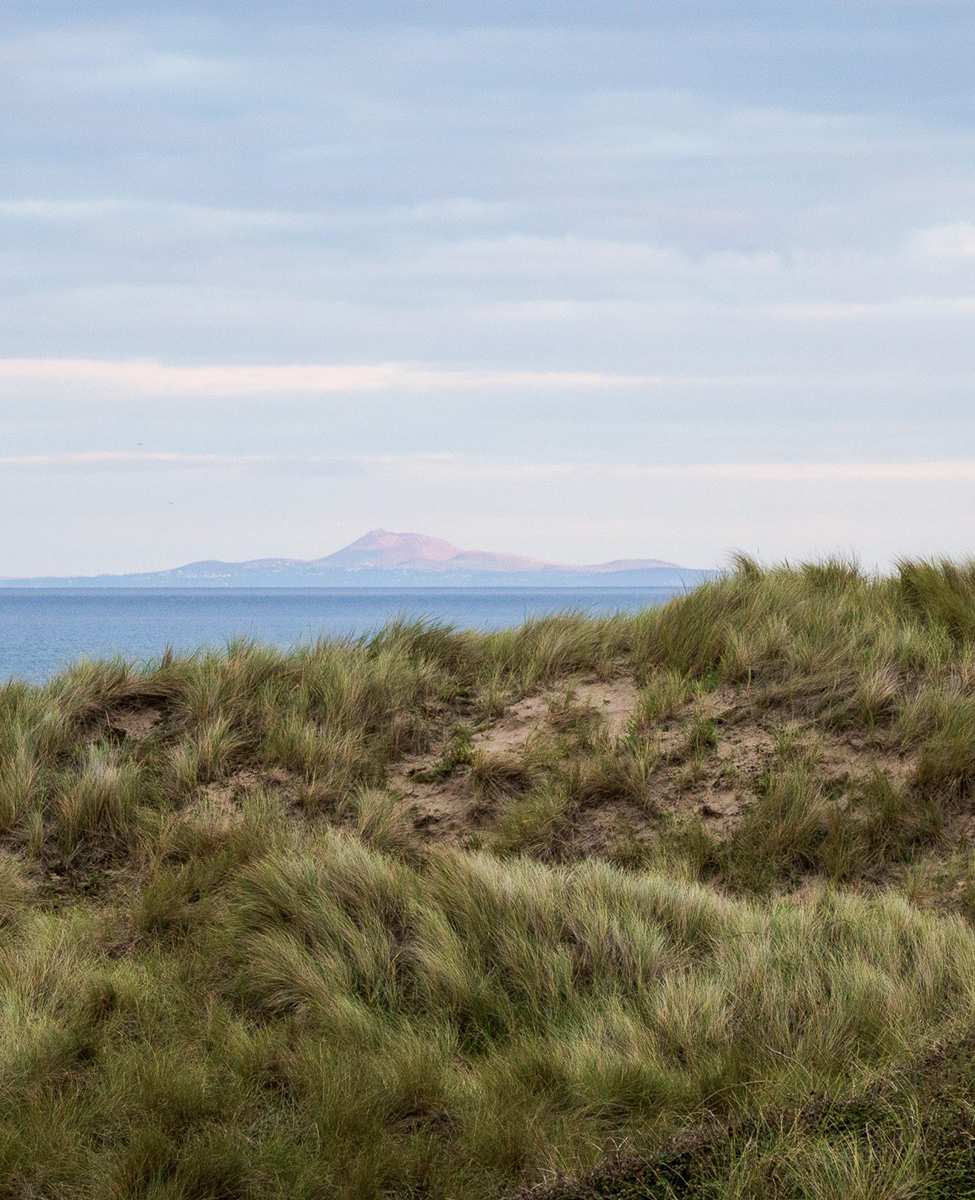
The challenge of
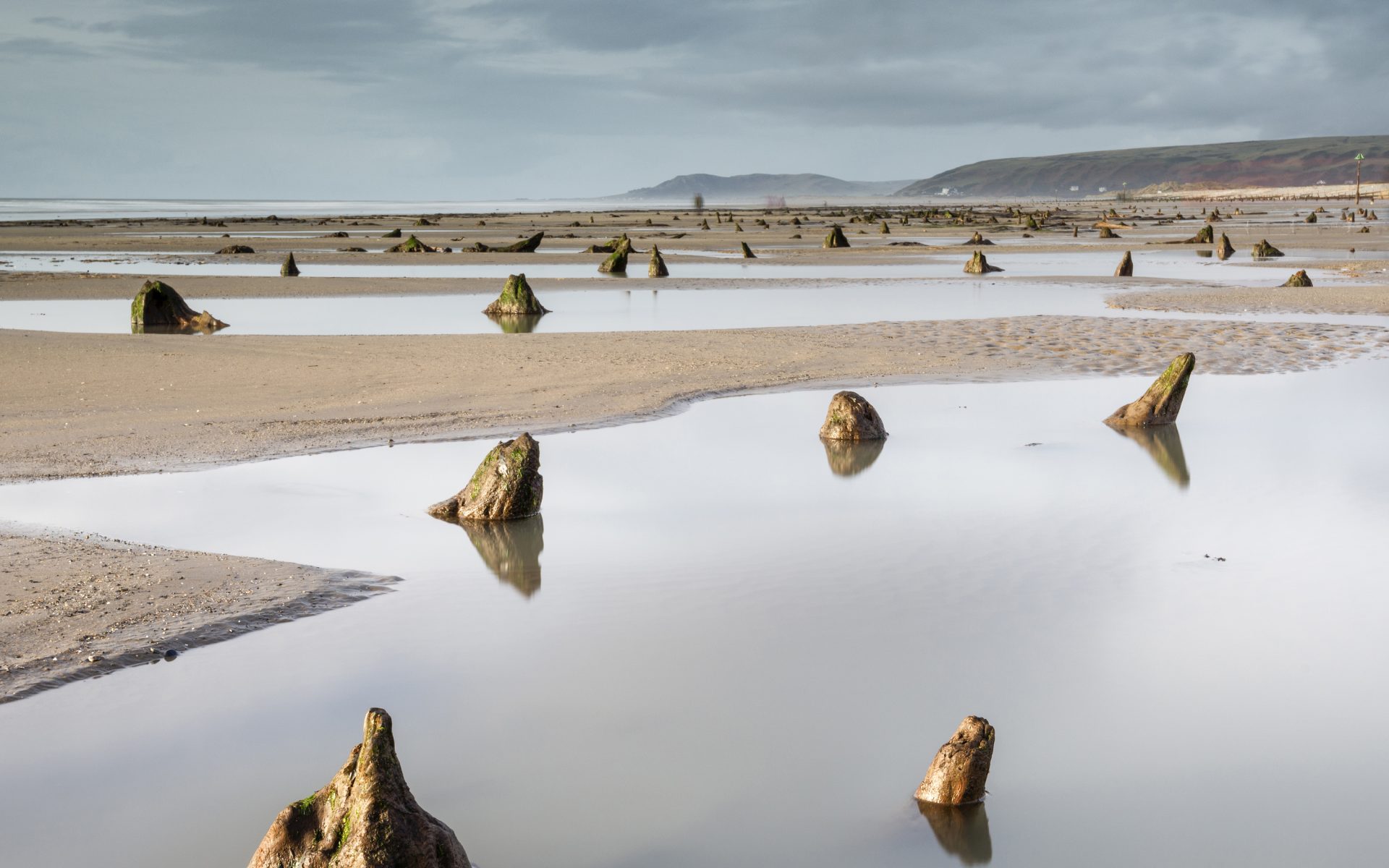
As described in chapter two, the Dyfi area has changed over time, and it will continue to change in the years to come. The ‘petrified’ forest on the beach of Borth and Ynyslas is testament to the fact that ecosystems in the Dyfi have been very different indeed in the past: where the coastline now exists, it once supported an immense forest whose stumps are now glimpsed at low tide, preserved in peat below the waters.
Change is a constant in the natural world, yet the rapidity of the current human-induced is exceptional. Species and habitats are much less able to adapt to the rate of current change – but there are ways we can help wildlife to weather the changes and work hand-in-hand with the natural world to help ourselves cope with the changes too
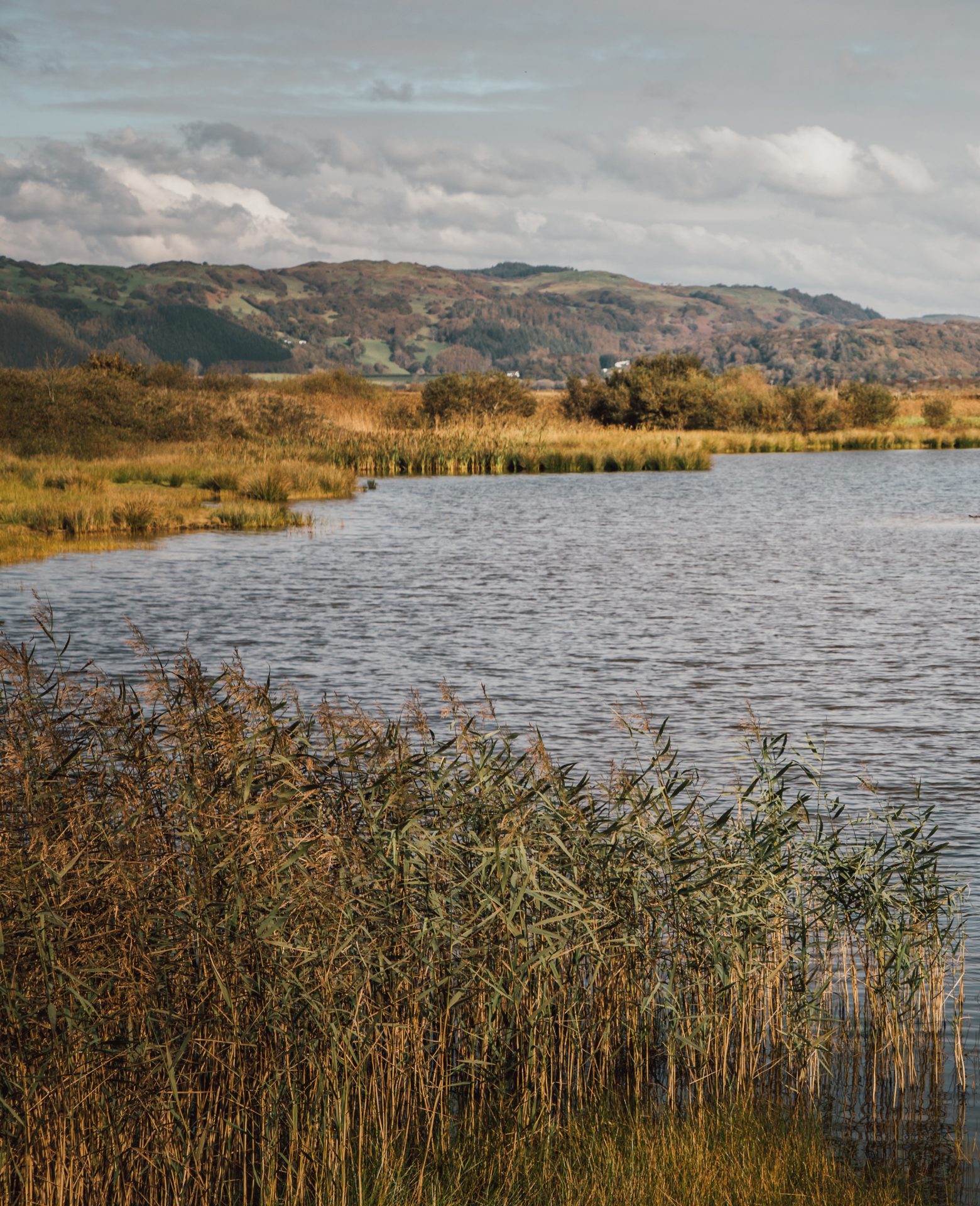
In the Dyfi region, the impacts of to the landscape and its ecology include the increasing severity and frequency of storm events, flooding and drought, wildfires, sea level rise and changes in the species that are able to exist here. The estuary and its surrounding grasslands, bogs, marshes and woodlands are particularly vulnerable to the combination of sea level rise and increasing storm events. This is especially so because of a number of alterations that humans have engineered in the landscape.
Before human influence, the estuary would have been a highly dynamic and everchanging environment: habitats like salt marsh (a mix of salty and fresh water) gave way to peat bogs and woodlands, and the interaction between these habitats would have waxed and waned over time according to the sea level. Humans interrupted this natural cycle by erecting flood defences, digging drainage channels and constructing the current railway line. The result of these structures has created an artificial divide between the saline estuary, freshwater bog and agricultural land.
Over time, wildlife has adapted to these changes. For example, the low-lying land at Ynys-hir, known as lowland wet grassland, was once bog but is now agricultural grassland. It supports Wales’s most important breeding wader population, with large number of lapwings, redshank and snipe, and rare Greenland White-fronted geese rely on this lowland wet grassland for much of the winter. Climate-induced sea level rises and increasing storm events now threaten the habitats that have been created in these areas. Flood events can result in water spilling out onto agricultural fields and lowland wet grasslands. This can kill soil invertebrates, which are a vital food source for the wading birds that now rely on these habitats. The standing water also damages and degrades agricultural land. Recovery times are slow and it may be months, or even years, before the populations of invertebrates recover.
The challenge that land managers, including conservationists, around the Dyfi Estuary face is how to adapt to these changes to safeguard nature, while accepting that some habitats and species might be lost.
We must also look at the Dyfi area as a whole and balance the needs of nature against other priorities around us, such as preventing property and infrastructure flooding, and the effect on livelihoods as traditional land uses become more challenging.
There may be situations where nature can give us a helping hand too.
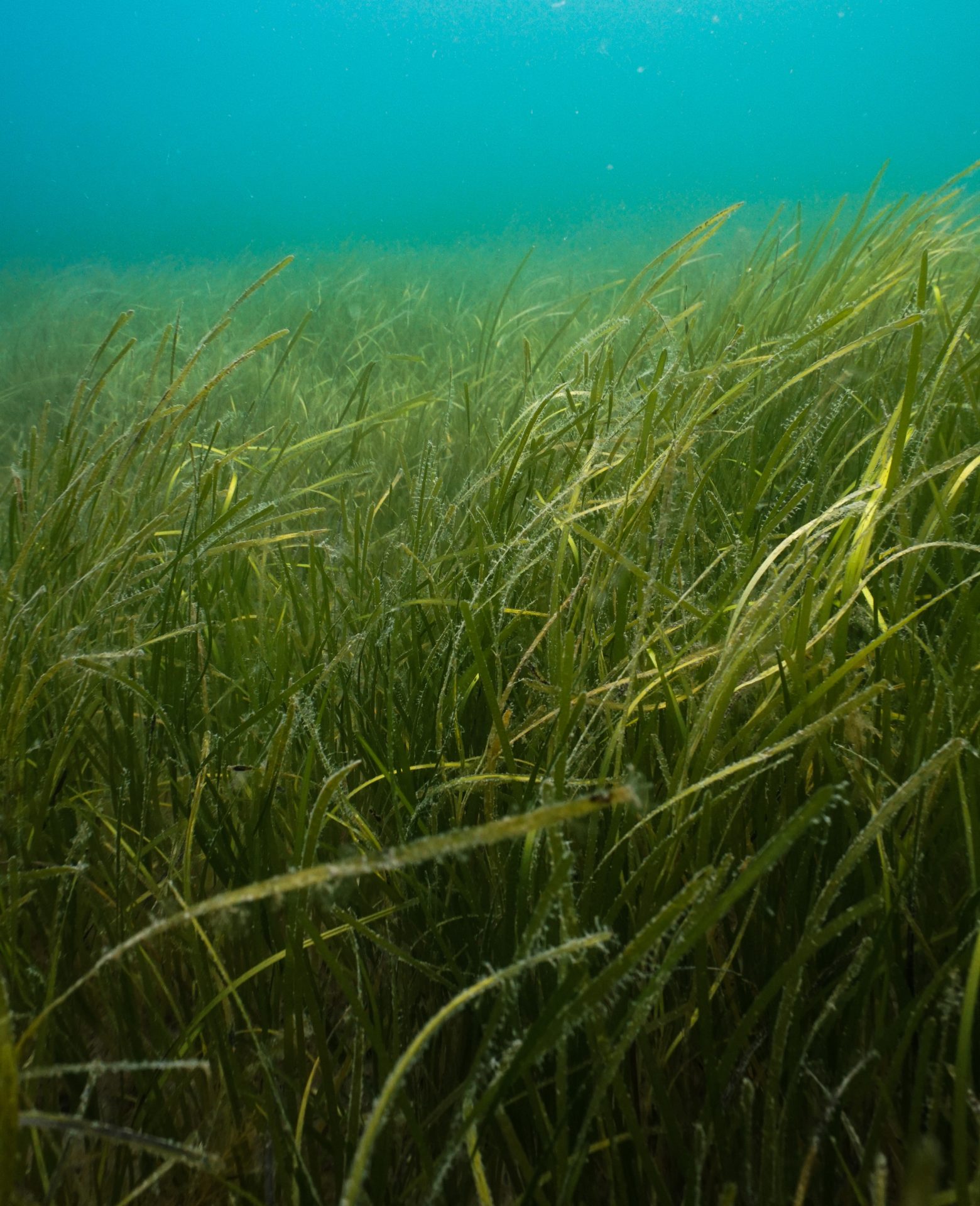
When an ecosystem becomes unbalanced, or is placed under increasing pressure from , can offer a sustainable and effective response. As the name suggests, these approaches use natural species, habitats, and processes to restore and strengthen environments and the systems that depend on them.
In many cases, the species or natural structures being supported or reintroduced would historically have existed within the ecosystem. Over time, however, they may have been lost or degraded due to factors such as hunting, human development, pollution, or the introduction of invasive species. therefore often involve reinstating natural processes or key species that once helped regulate and balance the system
can offer a more enduring alternative to expensive, civil engineered structures designed for the same purpose. For example, concrete walls or earthfilled embankments for flood defence have a finite life and represent a thin, fixed line. Once breached, water can inundate a large area of land behind them, presenting a very sudden and dramatic change.
There are certain natural habitats that can dissipate the energy of floodwaters and serve to absorb water during these events. Salt marsh habitats form a broad swathe of vegetation composed of a variety of plants that tolerate the nature of estuarine water. They typically form on estuarine above the low tide line and are situated on the raised, level platforms adjacent to muddy creeks, and above mud and sand flats
Salt marsh acts as a protective barrier around much of the Dyfi Estuary. However, it is threatened because rising sea levels will submerge the marsh’s lower fringe (or edge) permanently, leading to significant loss. Currently, there are few areas where salt marsh can form further up the fringes of the high tide line due to fixed features – such as the railway embankment – preventing much of the tidal water flowing further inland. There may be some areas where an intentional breach of this structure could occur – provided the railway is safeguarded and key areas of productive farmland are avoided. A breach in some key areas could allow for new areas of salt marsh to establish, restoring the natural protective border of vegetation.

Helping to slow a river’s flow
Further from the shore, there are range of ‘soft’ nature-based approaches that can help in our effort to buffer the effects of climate-induced changes. To address major flooding events, we can look upstream to the wider and seek to slow the flow of flood waters reaching the estuary via its tributaries and rivers. Slowing the flow of rivers during periods of intense rain and storm events can involve a whole range of holistic actions: regenerative land management practices help to increase soil health, and healthy soils are much more able to absorb water – resulting in less runoff reaching rivers in the first place. We can look at areas where buffers strips of trees can be planted close to water courses, which further reduce runoff into rivers. ‘Leaky dams’ can be constructed with piles of tree branches and trunks, forming leaky barriers that slow the flow of water.
There are already a number of inspiring projects locally using such methods to address flooding events: in the Tal y Bont region, a community group have been working with local landowners and farmers to construct leaky dams, as well as planting hundreds of hedges and thousands of trees in the surrounding catchments to help
reduce the possibility of future flooding. In the Pennal region of the Dyfi Estuary, a large group of landowners and farmers have come together to create the ‘Pennal 2050’ partnership: this seeks to use natural flood management techniques to address flooding risk in the area. The project has installed a raft of leaky dams in the , has improved soil health on a large area of farmland, and has planted woodlands, hedges and strips of trees to further combat the risks of flooding.
Another nature-based solution is ‘re wiggling’ rivers. Historically, land reclamation projects involved excavating new water courses and straightening existing rivers – an example of this is the lower stretch of the Afon Leri, close to the lowland raised bog of Cors Fochno. Restoring the river’s meanders makes the river more than three times longer between two fixed points. This increase in length allows the energy of floodwaters to be absorbed at each bend, slowing the water and easing the intensity of some flooding events.
A careful balancing act
Over time, our flood defences have deteriorated and the cost of upgrading them to meet future sea level rises and resist storms is extremely high. Although we want to conserve the species living here in the Dyfi, there is also an understanding that we will have to adapt to new pressures affecting the area.
Implementing changes and adaptations in a controlled way may allow for the creation of new habitats in the Dyfi, and with them we might welcome new species whose distributions are changing further afield. For example, is forcing birds usually found in Europe to move northward, such as the great egret, spoonbill, avocet and black-winged stilt. Ensuring sufficient, diverse habitats exist across the Dyfi will be important to ensure that such species can find a new home once displaced from their existing breeding regions further south.
Conclusion
The Dyfi Estuary faces significant challenges from in the coming decades, impacting both its natural habitats and the species that rely on them. As we confront rising seas, intensified storms, and shifting ecosystems, it is essential to embrace solutions that not only protect biodiversity but also enhance the of the local community – these can include that work hand in hand with nature, but must be informed by careful dialogue with those living and working in this special area of Wales. A careful balance must be struck between conservation efforts and the economic needs of the area, fostering collaboration among land managers, conservationists, and the public. By prioritizing adaptive management strategies, we can create a sustainable future where both the environment and local livelihoods thrive, ensuring that the Dyfi Estuary continues to be a sanctuary for wildlife while remaining a vital part of our community.