Jill Hulse
Resident of Ynyslas
What do you like about living here?
I like feeling the weather, the ever-changing beach, the freedom of access along the shoreline. And just the sense of well-being that it brings.
Over the 32 years you’ve lived here, have you noticed any changes?
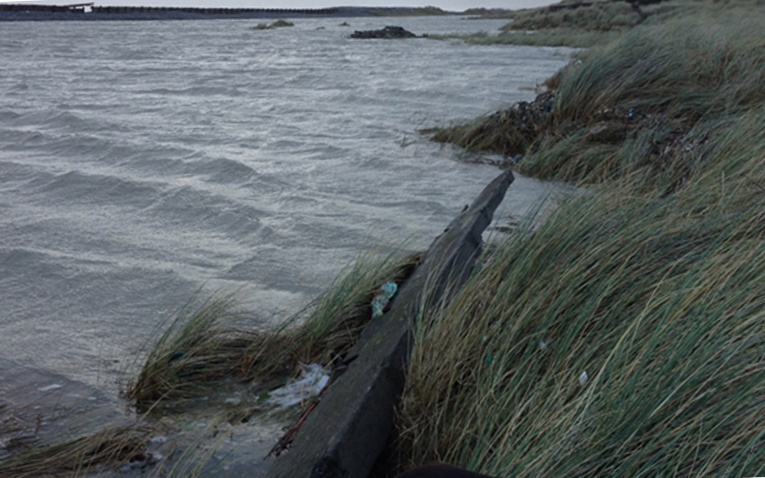
I think there are more frequent extreme events. The effects of storms and overtopping are having much more of a detrimental effect. There have been several breaches where the timbers in the sea defences have been broken and washed away, allowing the waves to scour out the shingle and exposing the underlying metal work and concrete. I think the breaches have been much more serious – even small holes are significant, because it makes the whole structure vulnerable. I also think the and reprofiling of the beach is more rapid than it used to be.
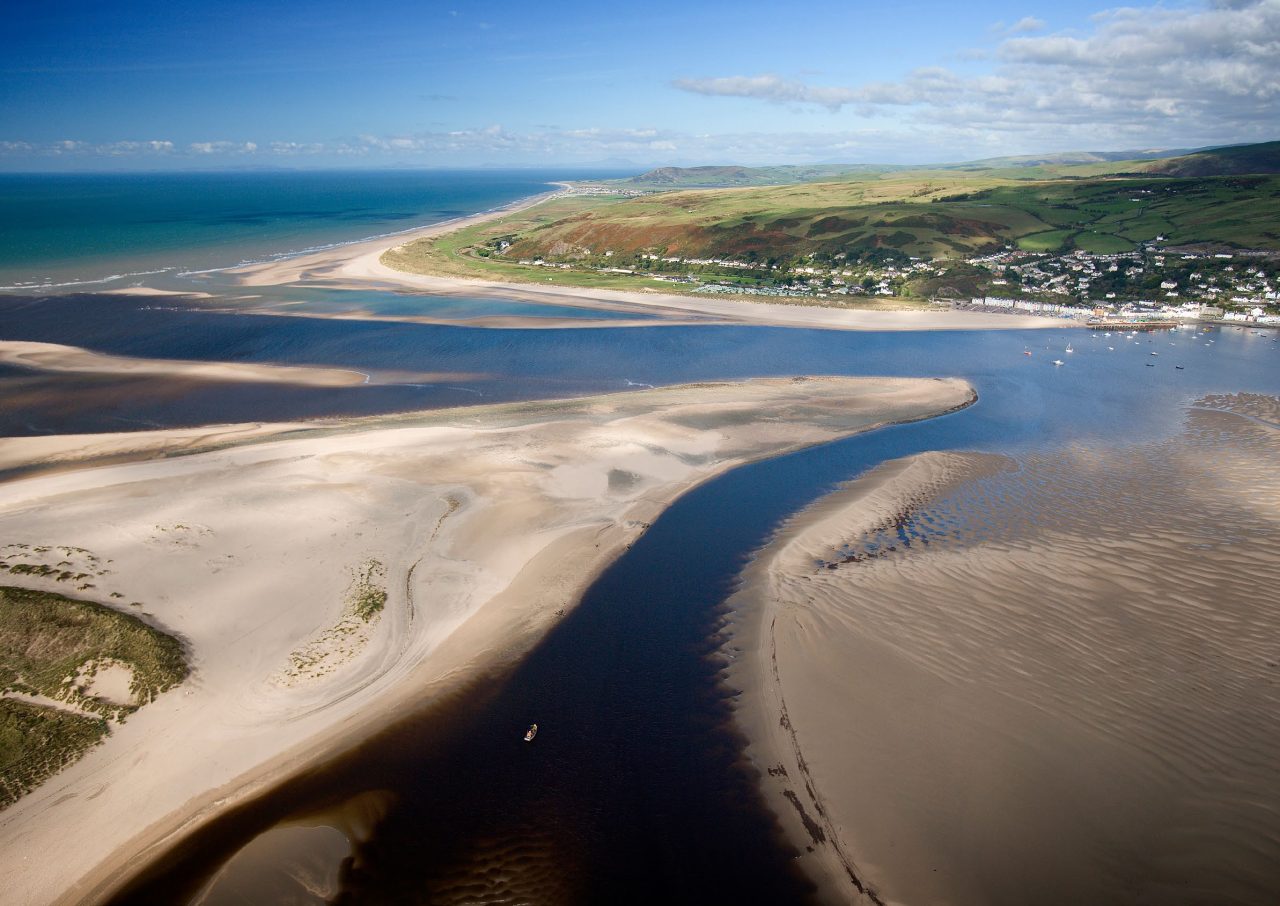
I would say the salt marsh on the estuary has grown significantly. This is very positive as it’s good for taking out a bit of the energy of the waves and wind fetch. Now you can see green swathes starting to grow along towards the visitor centre; it’s incredible. The rate it’s increasing now is accelerating way above anything I’ve seen before.
Do you have any ideas for how we can adapt locally?
I think local large-scale adaptations. Realistically, we’ve already had the big capital investments, apart from Phase 3 of the Borth Defence project, which hopefully will do seawall repair. In the earlier days, we would have deliveries of sandbags from the Council. And then I remember the year they said ‘we’re not delivering unless it’s super extreme’. That was quite a shock for a lot of people in Borth, and really pushed personal .
I still think that’s a really hard thing for many people, feeling the responsibility is on others to protect them.
It’s helpful looking at what other people have done. Some have put storm boards in; some have got shutters on the seaward side. There’s some who have put beautiful new walls in at this end of Borth. With a wall at the front garden, you can put a couple of wooden boards across the gate to help hold back the water that might come in.
Tell me about the local emergency plan. You’ve been heavily involved in its creation, right?
Yes, so there’s always been a committee in Borth dealing with flood-related issues, so it was by no means the first of its kind. But I think it was the first effort to pull it all together into a bigger document and formalise it.
In the early days we were mapping the direction of likely flow of water and the vulnerable areas, and then we expanded the network of wardens. But they’re not emergency responders – the warden network is about making sure people know there’s likely to be an event, making sure they’re equipped, if they need anything moving, do they need help, are they vulnerable? So, it really is just a checking-in type of network, a communicating network.
Is there anything else you’d like to talk about?
It does worry me sometimes about how in life you work, and, if you buy a house, you want to pay it off. I’ve got two children and I see that going to them at some point. But what if there’s a big disaster and that house comes to a lot less?
But then you think you don’t want to move because the quality of life is way above anywhere else. It’s almost an acceptance that the house price might drop considerably, but it is worth it for the value you get every day from living here?
So, it’s strategies – what are you going to do to protect yourself? What are you prepared to accept? And realising that some of these things are just unknowns and you can’t change them. Why would I move prematurely to somewhere where I wouldn’t be as happy because of a ‘what if’? What changes can you do cumulatively to help you be more resilient so that you can stay put and bounce back quickly?
Now you can see green swathes starting to grow along towards the visitor centre; it's incredible. The rate it's increasing now is accelerating way above anything I’ve seen before.