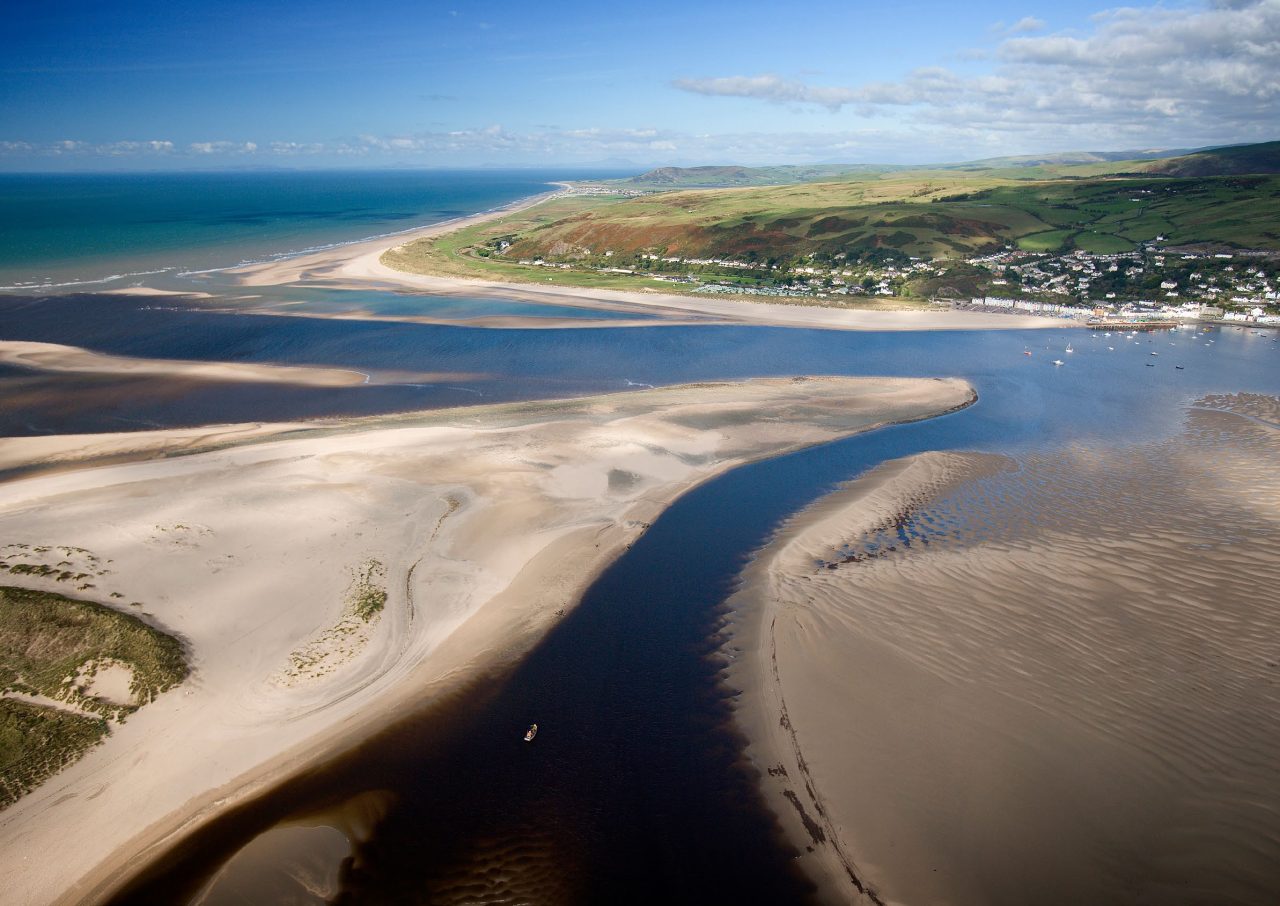
Chapter 10(Preview)
We hope that the insights we gathered over the last 18 months, drawing on the expertise and lived experience of local people, will inspire residents around the Dyfi Estuary to take action in the face of the changes and challenges ahead.
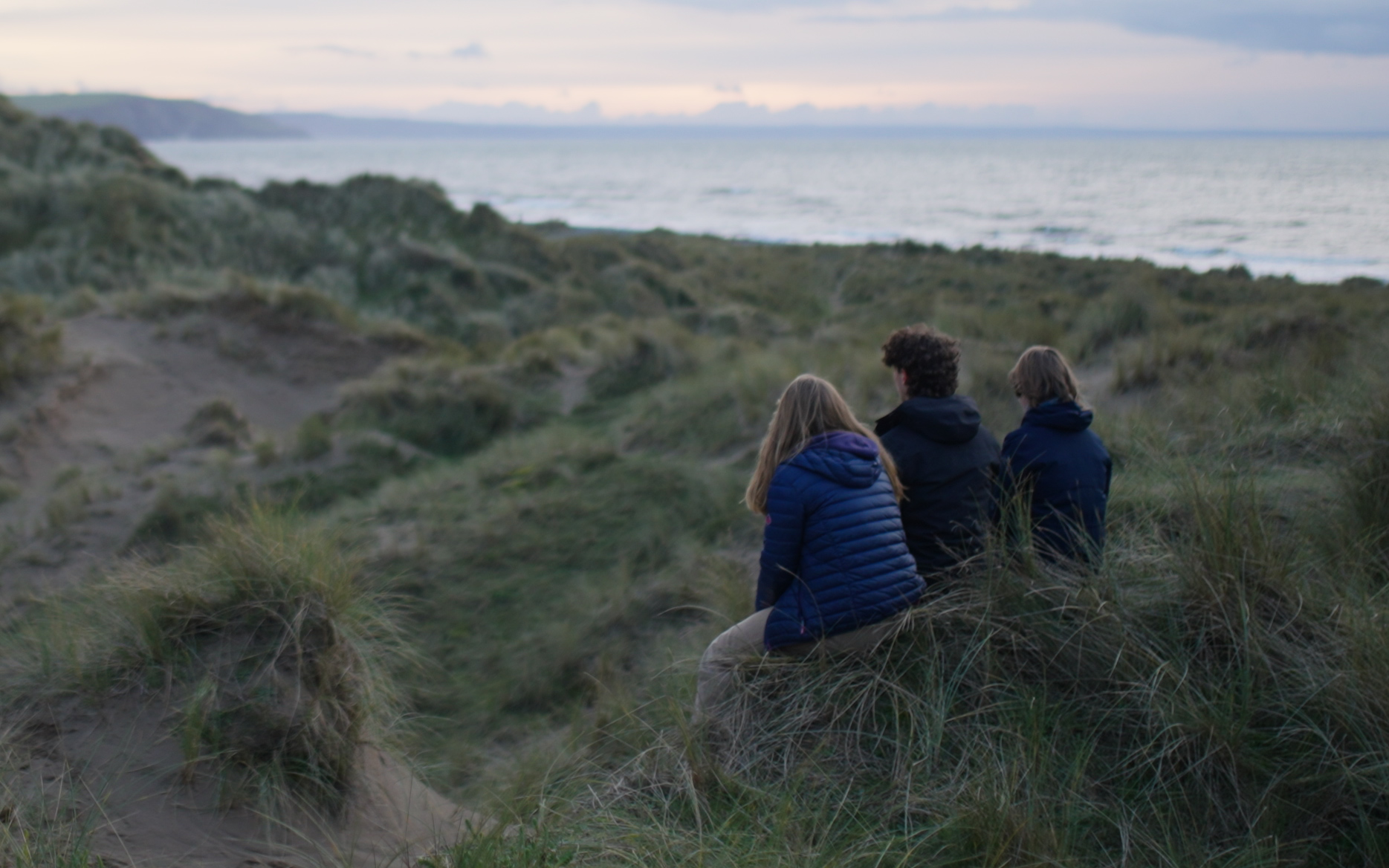
Life on the coast has always meant living with constant change. The history of the Dyfi, from meltwater rivers to today’s shifting marshes, dunes and channels, shows that coastlines are never fixed.
Some changes unfold slowly, as seen in peat and sediment records; others arrive quickly and reshape daily life. Scientific understanding helps us recognise which parts of the coastline are naturally dynamic, which are vulnerable, and which offer natural protection – all knowledge that strengthens our ability to adapt.
By sharing what we have learned about the land, habitats, history and communities of the Dyfi, we hope this handbook becomes a practical tool: a resource that enables you to ask better questions, prepare more effectively and push for the support we need to adapt our systems for what is to come. Shared knowledge is a form of .
Preparing for the future means combining practical, short-term steps with longer-term planning that works with natural processes. Protecting heritage and habitats is not optional – it is part of how is built.
We are resourceful and resilient people, used to living on the edge and at the ‘end of the line’. But we refuse to be sidelined in the fight for the future of our communities and resources. Other communities in Wales and beyond face similar pressures, especially those in dynamic estuaries or short, steep catchments. This handbook can serve as a starting point for them too – a shared reference that supports wider conversations.
This is a call to action: to stay informed, to organise and to speak up for what our communities need. And this handbook is not the end of the discussion. It is one step in an ongoing conversation, because we live on a coastline that is always changing. Our understanding, our planning and our community response will need to keep adapting with it.
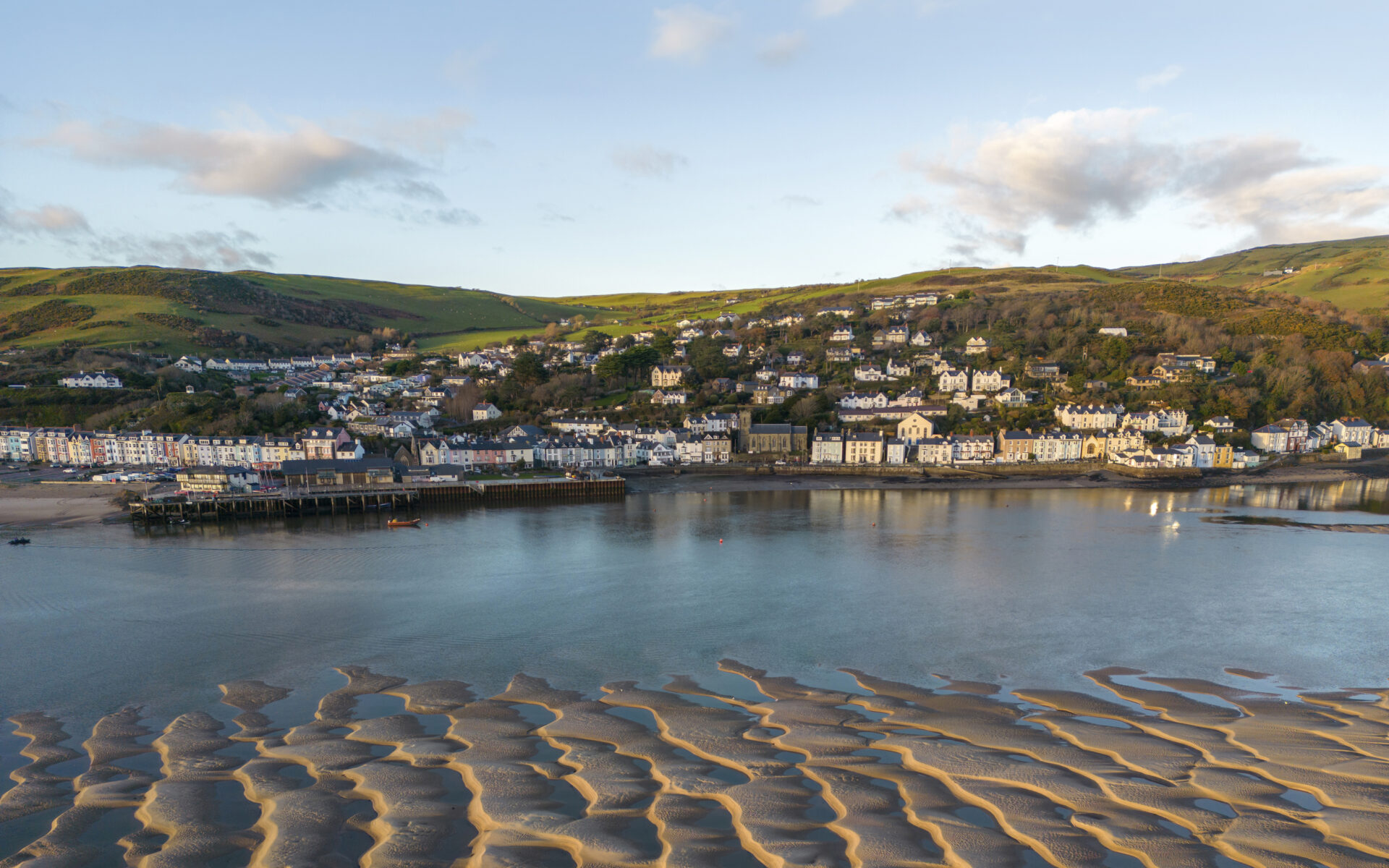
Beyond the project: How we’ve changed
We asked a few members of our co-production group if there was anything they’re thinking or doing differently as a result of their involvement with Changing Tides. Here’s what they said:
The project has helped me to understand many new issues that I was not aware of with regards to coastal adaptation. It’s been great to see what other communities in the area are already doing to be prepared and help themselves when an incident happens. That has inspired me to see what can be done within my own community.
Since my involvement with Changing Tides, when driving in the Dyfi Valley and along the coastal roads, I find myself considering the height the land is above the sea/river level. And then thinking of the impact a relative small increase in tidal levels will have on the surrounding area: farmland, on transport (roads and the railway), people’s houses and lives.