Chapter 7(Preview)
Blue is dioxide that’s absorbed from the atmosphere and stored in the ocean’s plants, rocks and sediment. Storing this helps to fight the effects of .
Blue mitigates
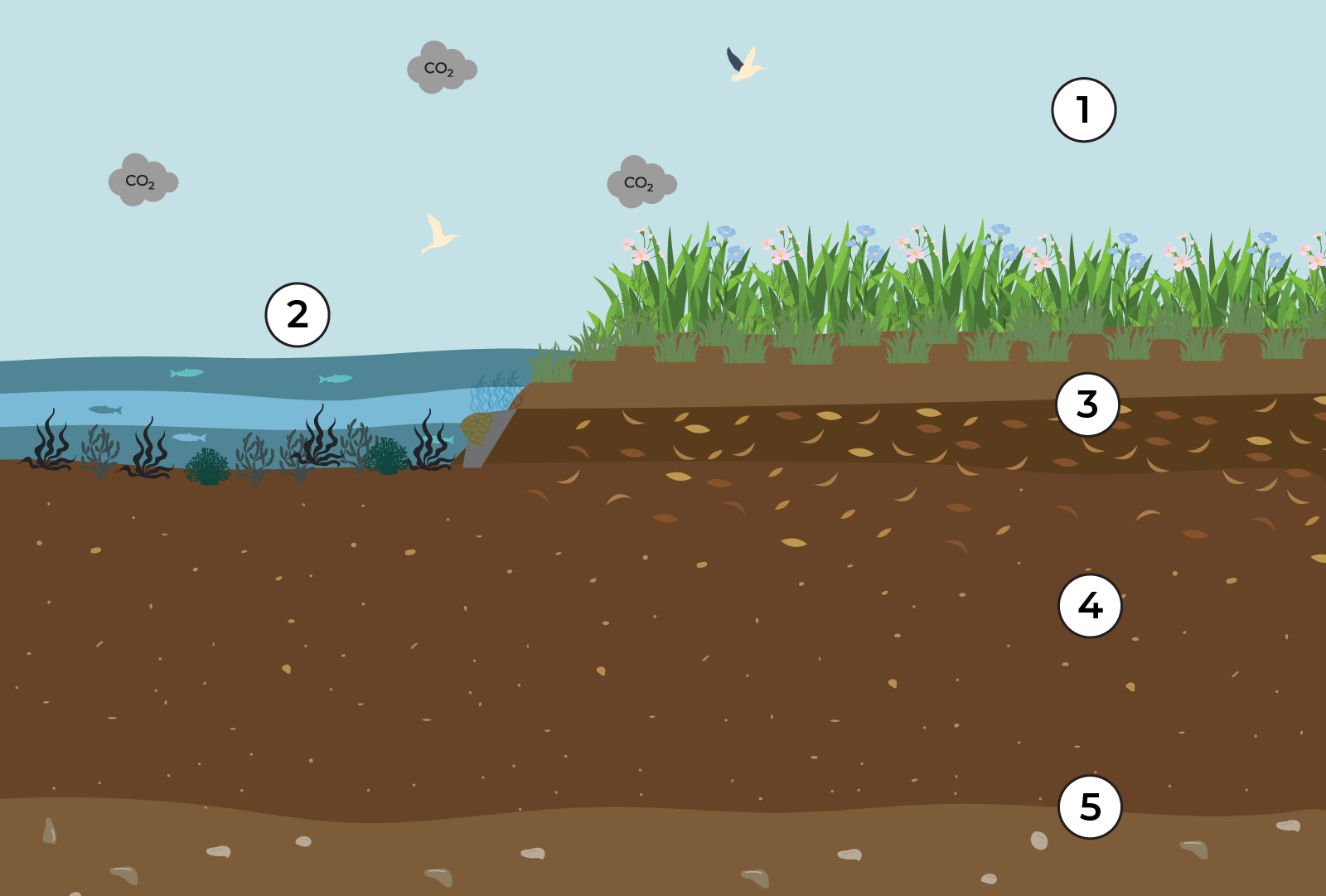
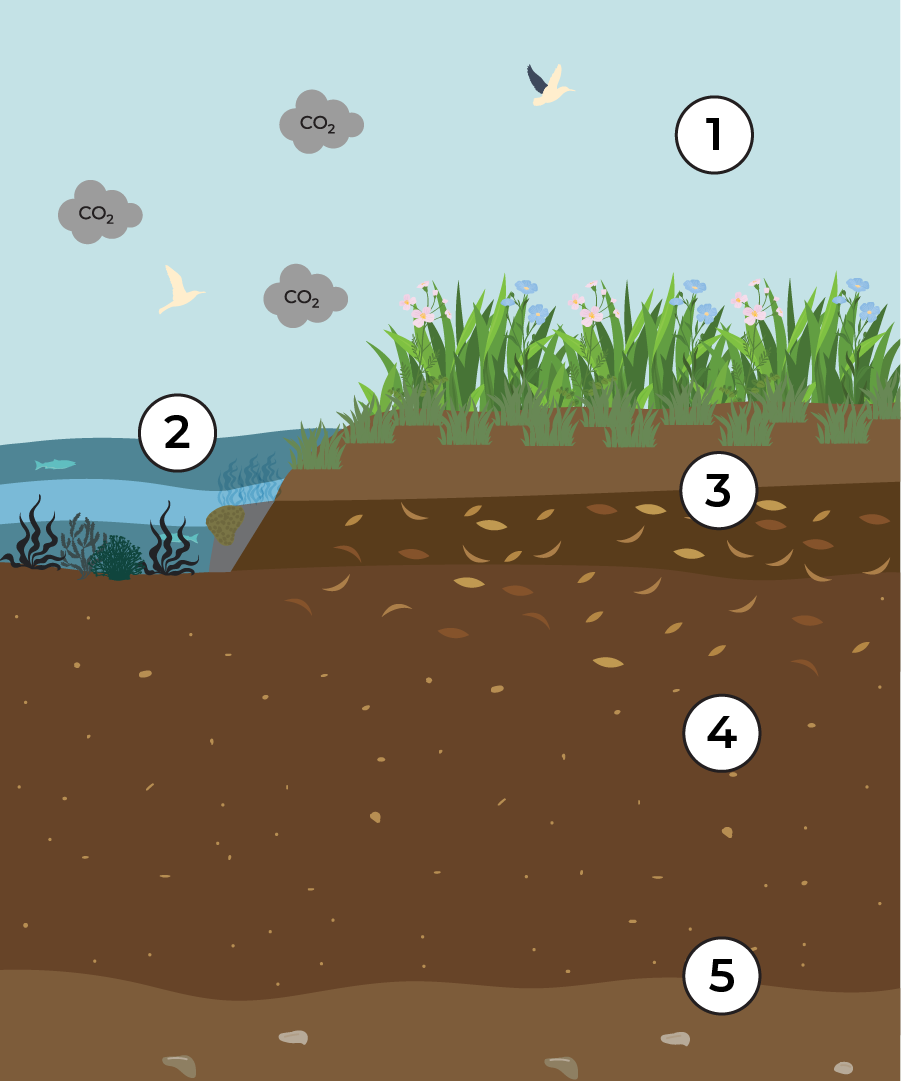
Plants remove CO2 from the air through photosynthesis Saltmarshes also trap carbon-rich sediment and organic matter from tides Removed carbon is stored in plants until they die Dead plants are buried under sediment decomposing slowly Carbon is stored in soil for thousands of years
The image is a cross-section of a salt marsh ecosystem showing how is captured and stored over time. The numbers correspond to the following processes:
- dioxide in the atmosphere: dioxide (CO₂) is present in the atmosphere above the salt marsh.
- removal through photosynthesis and tidal input: Salt marsh plants remove CO₂ from the air through photosynthesis. Salt marshes also trap -rich sediment and organic matter carried in by tides.
- stored in living plants: The captured by plants is stored in their leaves, stems and roots while they are alive.
- Burial of dead plant material: When plants die, their remains are buried beneath layers of sediment. They decompose slowly in the low-oxygen conditions below the surface.
- Long-term storage in soil: Over time, accumulates and is stored in salt marsh soils for thousands of years.
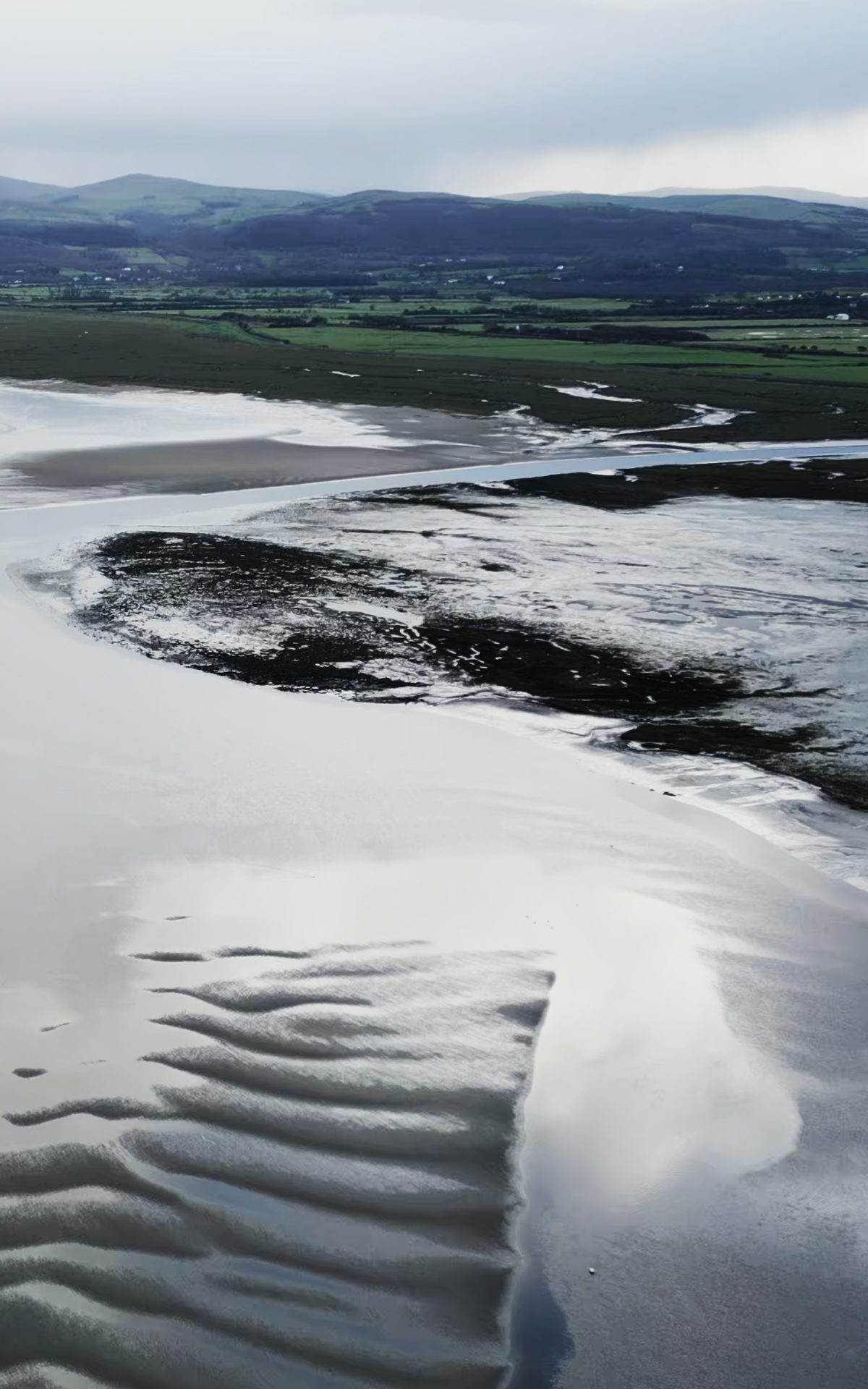
How our region measures up
Long-term stores are an estimate natural systems such as oceans, forests and soils, which lock away for more than 100 years.
The and Welsh Coast Region – which the Dyfi estuary is a small part of – covers an area of 43,112 km2.
Of this area, 31,177 km2 (72%) are designated as Marine Protected Areas (which include Marine Conservation Zones, Marine Nature Reserves, Special Areas of Conservation, Special Protection Areas and marine areas of Sites of Special Interests and Areas of Special Scientific Interest).
In total, there are an estimated 15.7 million tonnes of long-term stores of , with 93.7% of that total stored within just the top 10 cm of sublittoral mud and sand/mud seabed (sublittoral mud is a seabed habitat made of fine sediment that’s always covered by water).
Which means this estimate represents only a fraction of the overall stored in the full thickness of these . It’s the top layers of , however, that are the most recently deposited and the most at risk to disturbance by human activities.
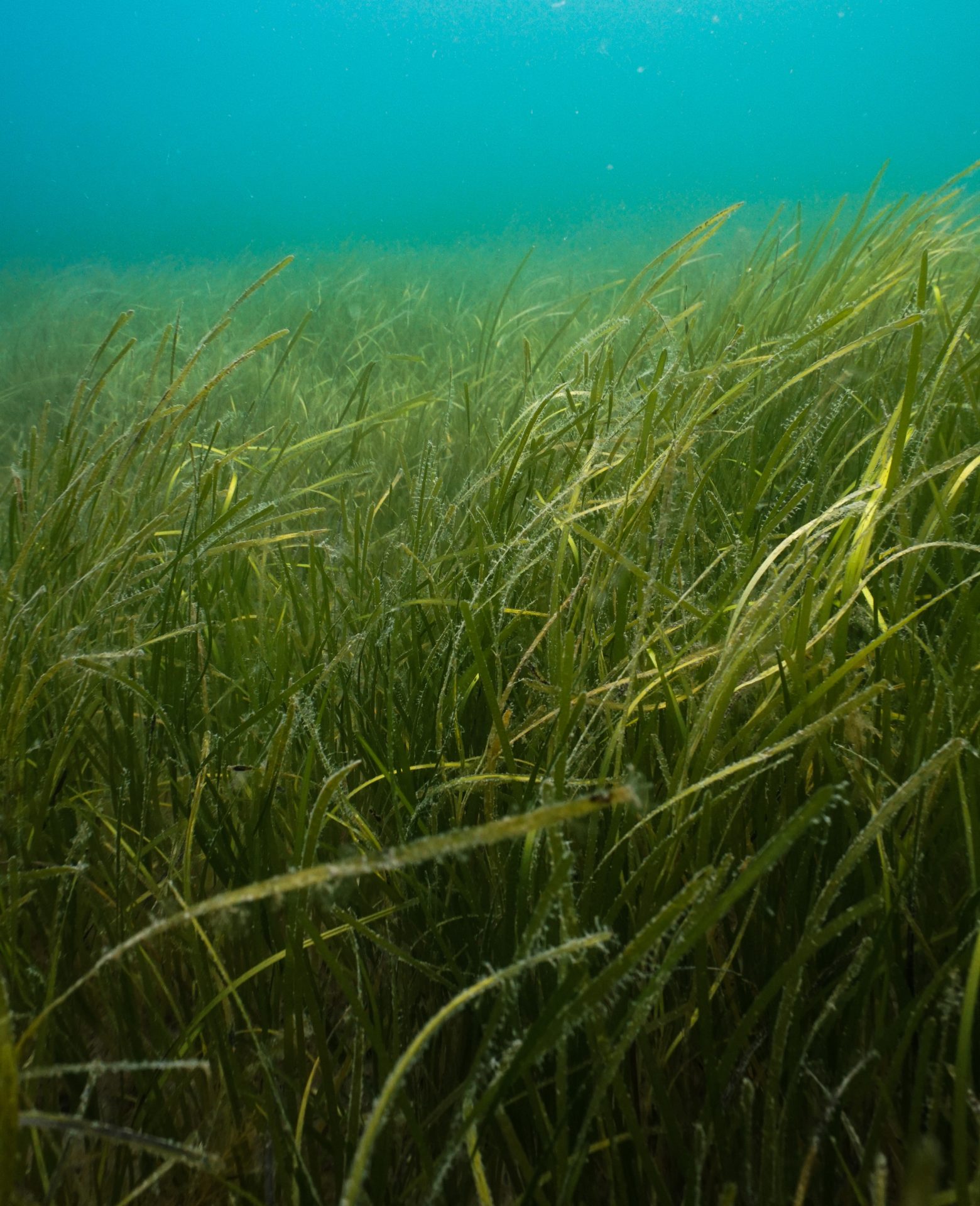
An estimated 0.94 million tonnes of are stored in the top 10cm of soils in saltmarshes and 0.06 million tonnes in seagrass bed .
Living kelp biomass contains an estimated 204,000 tonnes of organic carbon
With an additional 8,800 tonnes contained in intertidal microalgae.
Sublittoral Marine Conservation Zones and Special Areas of Conservation contain the largest proportion of organic and inorganic (6.4 metric tonnes). But inshore, littoral Marine Protected Areas (which are those areas close to the land) and notably the smaller marine portions of Sites of Special Interests, have the highest densities and rates of accumulation per unit area in their muds, saltmarshes and seagrass beds.
Marine Protected Areas with predominantly rocky habitats have less longterm stores and lower accumulation rates. But they do support extensive that contribute to neighbouring areas of sediment through the and transport of kelp detritus.
The information in this chapter is taken from The United Kingdom’s Blue Inventory: Assessment of Marine Storage and Sequestration Potential in UK Seas (Including Within Marine Protected Areas). This report summarises the original analysis undertaken by the Scottish Association for Marine Science (SAMS), The University of St Andrews and the Marine Biological Association (MBA). It has been written and edited by Professor Dan Laffoley and Professor John M Baxter, WWF, The Wildlife Trusts and the RSPB.
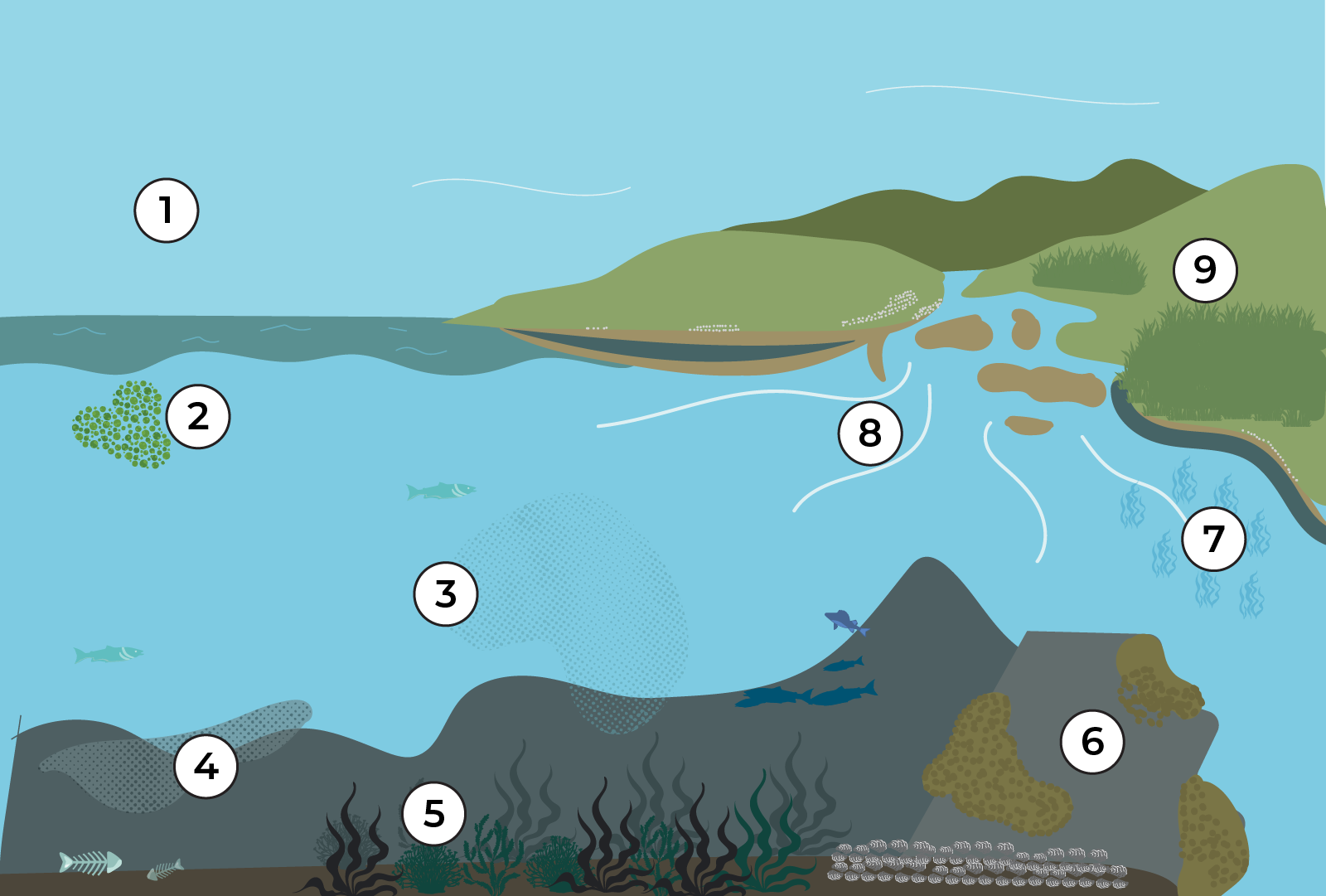
These are the different types of blue found across the UK. Seabed are the world’s largest repository of , extending over 360 million km2 of the Earth’s surface
The image is a cross-section of and marine ecosystems illustrating how moves and is stored in blue habitats.
Each number corresponds to the following process:
Atmospheric carbon Excess dioxide in the atmosphere is driving
Ocean plankton Microscopic marine algae near the surface of our seas capture through photosynthesis
Sea of carbon particles Algae, suspended , and fragments of seaweeds and other plants feed larger animals and add to blue stores
Carbon reaches the seabed Particles from the sea of are deposited and buried on the seafloor. Dead sea creatures add to it
Kelp forests Kelp and other seaweeds capture via photosynthesis, a proportion of which is exported and buried elsewhere
Biogenic reefs Biogenic reefs such as corals, oysters and mussel beds trap and store in their structures
Seagrass Seagrasses capture via photosynthesis and store it in the sediment below
Run off from land Rain and rivers may wash off land (e.g. by eroding ) and into our seas
Saltmarsh Saltmarshes capture through photosynthesis and store washed in from sea and land
The diagram demonstrates how moves from the atmosphere into marine and ecosystems, where it is captured by plants and algae and stored long-term in , seabeds and reef structures. This long-term storage of in and marine habitats is known as blue .
How much is down there?
The within just the top 10cm of seabed has been estimated.
We have estimated the tip of the iceberg
Seabed in UK waters are thousands of metres thick in some places. It is the top layers that are the most at risk from the impacts of human activities
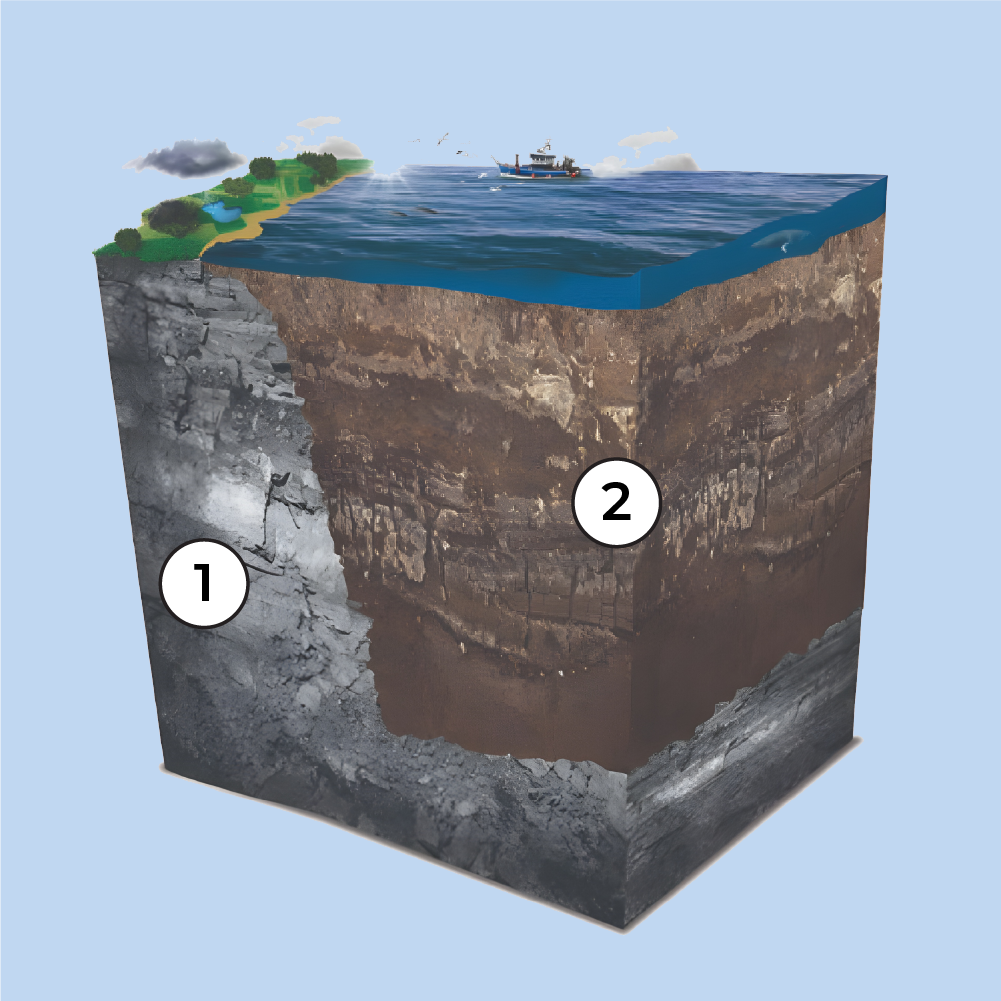
The image is a three-dimensional cutaway block illustrating the structure of the seabed beneath waters.
The top surface shows the ocean with a small boat on the water and a section of coastline at the left edge.
Below the water surface, the block reveals two main geological layers marked with numbers:
- Bedrock: The lower grey rocky layer represents bedrock. This is the solid underlying geological foundation beneath marine .
- : The thick brown layer above the bedrock represents seabed . These extend vertically from the seabed surface downwards and can reach thousands of metres in thickness in some locations.
extend thousands of meters thick in places
Just in the top 10cm of the UK and Isle of Man seabed there are 244 million tonnes of carbon locked away.
Broken down into long-term stores
240 million tonnes In seabed
2.4 million tonnes In habitats
139,000 tonnes Of seagrass meadows
Short-term stocks
1.4 million tonnes Of kelp forests
67,000 tonnes Of seaweeds
Threats to blue
Protecting blue is crucial. While significant progress has been made in recognising the role of land-based ecosystems (like forests and peatlands) in fighting by storing , blue remains undervalued. And it’s largely unprotected within Marine Protected Areas (MPAs), despite its importance.
Marine planning isn’t working effectively to protect our crucial blue stores and hasn’t accounted for the significant role seas play in storage.
Failing to recognise, protect and manage blue habitats leaves them vulnerable to activities that can disturb, damage or entirely destroy them. The single greatest and most widespread threat to these stores is the physical disturbance of the seabed caused by human activities at sea, such as bottom-towed fishing and offshore developments.
Assessment of these risks is not currently covered by marine planning laws. Key research generated by The Wildlife Trusts, World Wildlife Fund and RSPB advocate a reduction in these damaging activities to help protect our marine stores.
Graphic is reprinted/adapted from the Blue Report produced by The Wildlife Trusts, WWF and RSPB (2024) @danhilliarddesign
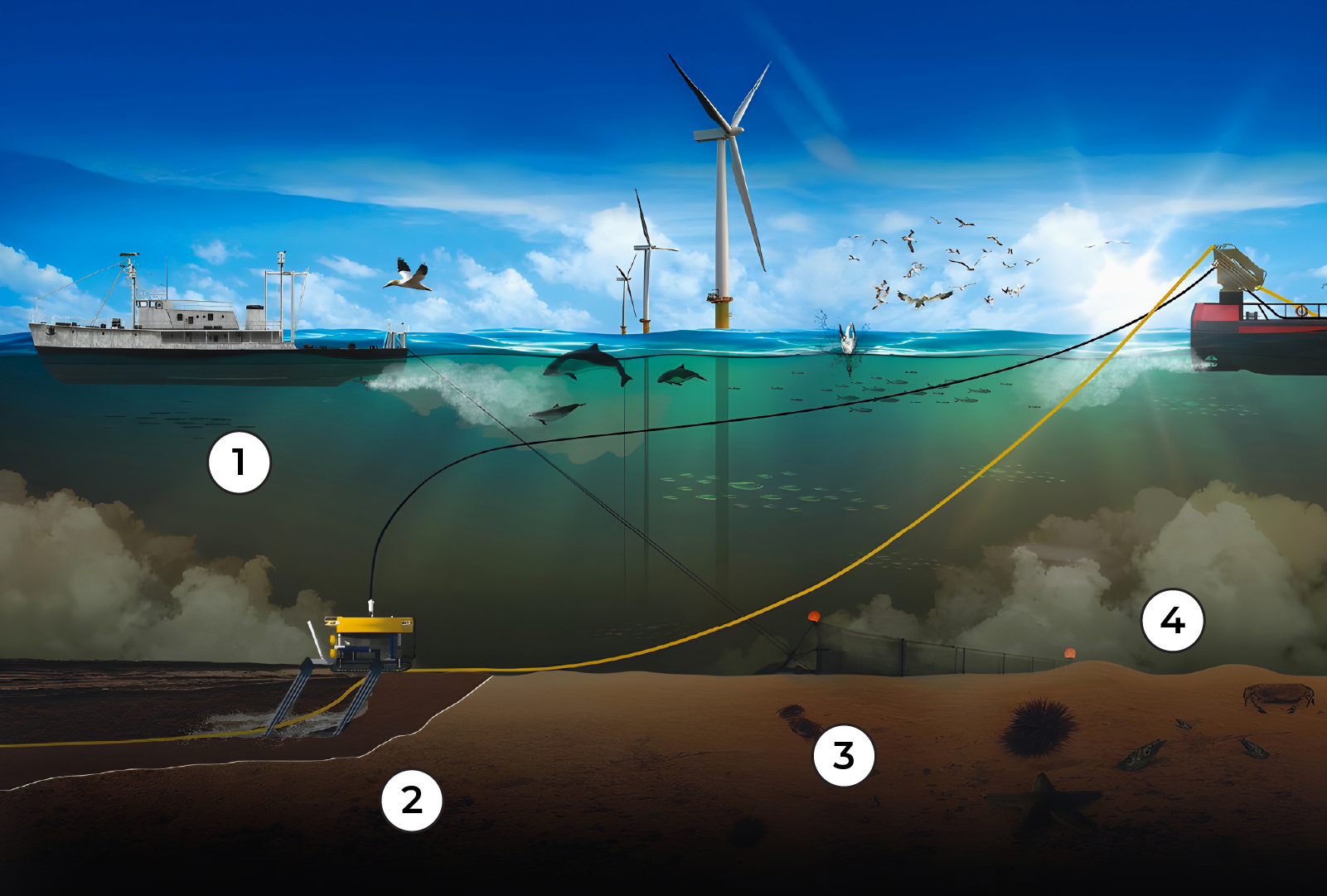
The image is a cross-section of the ocean showing offshore activities and their impacts on seabed stores and marine ecosystems. The scene includes vessels, offshore wind turbines, marine wildlife and disturbed seabed .
Each numbered marker corresponds to the following
Multiple activities threaten marine wildlife and blue carbon. Marine planning fails to prioritise nature and climate, and there is currently no incentive for activities to minimise their impacts on blue carbon habitats Developments at sea result in as yet unquantified disturbance and/ or loss of carbon rich sediments. Bottom-towed fishing gear can penetrate the seafloor, disturbing carbon-rich sediments and potentially releasing carbon to the atmosphere, worsening climate change. Many of our MPAs do not have adequate management measures in place, leaving the blue carbon within them at risk from damaging activities
The illustration shows sediment plumes rising where the seabed is disturbed, highlighting the potential release of stored from marine .
Protecting our superheroes
Blue projects are efforts to protect and restore habitats – like salt marshes and seagrass beds – that are excellent at soaking up and storing dioxide.
These projects do much more than just help the environment. They look at the big picture, addressing the need for supportive government policies, money and funding, and ways to improve local economies and jobs. The goal is to create the right conditions for these crucial ecosystems to survive and thrive.
There are a few examples of blue community projects going on in the UK:
The Rememare project in England aims to restore at least 15% of estuarine and habitats along the English coast by 2043. In practice, this means it needs to restore at least 55 km² of and 6 km² of seagrass meadows to achieve its mission. There are so few native oyster reefs left that there isn’t a focus on one area. So, instead, it’s promoting restoration action in as many locations as feasible.
What is blue ?
Blue is simply the way we pay for these projects. It’s a special kind of funding that supports the protection and recovery of our -storing habitats.
This type of funding is unique because it must:
- Measure carefully: It calls for special ways to track and count the amount of stored in areas.
- Handle tricky issues: It addresses unique challenges, like figuring out who owns the land/sea and planning for the effects of sea level rise.
- Combine funds: It mixes money from credit markets (where companies pay to offset their emissions) with traditional conservation funding.
- Plan for change: It must account for how these habitats might shift or move as coastlines change over time.
Much of the financing research and development relies on unlocking private finance as businesses become more motivated to voluntarily offset CO2 emissions via the voluntary market.
What is Wales doing?
In Welsh seas, there is huge untapped opportunity for businesses, industry and a wide range of stakeholders to demonstrate commitment to environmental and enhancement. A collaboration of organisations is seeking to afford Wales this opportunity via the creation of the MARINE Fund Cymru.
The Fund is being developed through the Wales Coasts and Seas Partnership’s (CaSP Cymru) Blue Investment Working Group, with the support of Wales Council of Voluntary Action (WCVA), an experienced grant manager.
The
There are several areas of blue currently being developed, with the leading the way. The code is likely to work along similar lines as the existing Woodland Code and Peatland Code.
The aim is to create and use frameworks for landowners, organisations and businesses to restore and create in order to address .
Guidelines for funding projects
Blue offers great promise and opportunities, but we still need clear rules, better science and fair community agreements before investors can fully jump in.
This has led to the development of guidelines for responsible funding of projects by The World Wildlife Fund (WWF) that use nature, like blue , to tackle . These guidelines emphasise protecting and managing large, interconnected areas – both on land and in the ocean.
Much of the information for this chapter has been drawn together from the brilliant research and advocacy work being delivered by World Wildlife Fund, Wildlife Trusts and RSPB.